
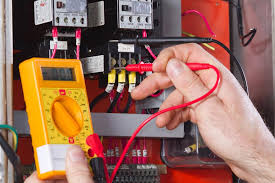
Why Regular Electrical Inspections Are Essential
Electrical faults account for over 40% of house fires in Australia, with outdated wiring, overloaded circuits, and hidden faults being among the primary causes. Additionally, statistics show that one in three Australian homes has an electrical issue that poses a safety risk, yet many homeowners are unaware of the dangers lurking behind their walls.
A routine electrical inspection is a proactive measure that can help prevent fires, electrocutions, and costly system failures. Just like you service your car regularly to ensure it runs smoothly, your home’s electrical system requires periodic checks to remain safe and efficient.
But how often should you have an inspection done? The answer depends on the age of your home, the type of property, and how heavily the system is used. Let’s explore the recommended frequencies for inspections in residential homes, rental properties, and commercial spaces, ensuring compliance with Australian safety standards.
What Does an Electrical Inspection Include?
A professional electrical inspection is a detailed assessment of your property’s electrical system, ensuring it meets legal safety requirements and operates efficiently. During an inspection, a licensed electrician will check for:
- Wiring and connections – Identifying wear, damage, or outdated systems that pose a risk.
- Power points and switches – Ensuring proper function and looking for signs of overheating.
- Electrical panel and circuit breakers – Checking for overloaded circuits or aged components.
- Appliance and lighting safety – Evaluating the safety of electrical fixtures and devices.
- Earthing and bonding – Confirming that systems are correctly grounded to prevent shocks.
- Smoke alarms and safety switches – Ensuring compliance with Australian electrical regulations.
Regular inspections reduce the risk of electrical fires, power failures, and life-threatening shocks, making them essential for homeowners, landlords, and business operators.
How Often Should a Home’s Electrical System Be Inspected?
The frequency of electrical inspections depends largely on the age and condition of your home’s wiring.
- New homes (less than 10 years old) – Every 5–10 years. While new builds comply with modern safety standards, inspections ensure no early degradation occurs.
- Older homes (over 25 years old) – Every 3–5 years. Older wiring is more prone to insulation wear, overloading, and outdated safety measures.
- Homes with frequent electrical issues – Immediately, followed by ongoing checks as needed. Recurring problems like flickering lights, frequent breaker trips, or burning smells should not be ignored.
- Before buying or selling a home – Before transaction completion. Many homebuyers overlook electrical issues, leading to costly surprises after purchase. A pre-sale inspection ensures compliance with Australian safety regulations.
Why These Inspection Intervals Matter
- Even new homes can develop issues due to poor installation, pests, or wear and tear.
- Older homes may still have ceramic fuses instead of modern circuit breakers, which do not offer the same level of protection.
- If your home has frequent power trips or warm outlets, these are signs of overloading or faulty wiring.
- A pre-purchase electrical inspection can reveal hidden faults that may cost thousands to repair later.
How Often Should Rental Properties Be Inspected?
Landlords have a legal responsibility to maintain safe electrical systems in their rental properties. Australian states such as Victoria and Queensland have introduced mandatory electrical safety checks every two years for rental properties.
- Standard rental homes – Every 2–5 years, depending on state regulations.
- High-turnover rental properties – Every 2 years. Short-term leases lead to more frequent wear and tear.
- Student accommodations and boarding houses – Annually. Higher occupancy rates result in increased electrical load and potential risks.
Why Rental Property Inspections Are Essential
- Tenants rely on landlords to maintain safe living conditions.
- Insurance providers may require regular inspections to keep policies valid.
- Electrical faults in rentals can lead to legal liability if not addressed.
Failing to comply with state-mandated inspections can lead to heavy fines for landlords, so it’s important to check specific legal requirements in your region.
How Often Should Commercial Properties Be Inspected?
Commercial buildings consume significantly more electricity than residential properties, making inspections even more crucial.
- Office buildings – Every 5 years. Office environments typically have stable electrical usage, but wiring should still be checked periodically.
- Retail stores and restaurants – Every 3–5 years. High-powered kitchen appliances and display lighting create additional electrical demand.
- Industrial and manufacturing facilities – Every 1–3 years. These spaces often use heavy machinery and high-voltage equipment, increasing wear and tear.
- Medical facilities and aged care homes – Annually. Life-supporting electrical systems must meet strict compliance standards.
Why Commercial Inspections Are Critical
- Heavy-duty equipment can accelerate wear on electrical wiring and panels.
- Regulatory bodies require periodic inspections for workplace safety compliance.
- Insurance policies may mandate regular electrical checks to remain valid.
Business owners should collaborate with licensed electricians to develop a customised inspection schedule that aligns with their industry’s safety standards.
Signs You Need an Electrical Inspection Sooner
Even if your property isn’t due for a routine inspection, certain warning signs indicate you should book one immediately.
- Frequent circuit breaker trips – Overloading, faulty wiring, or outdated circuit breakers could be to blame.
- Flickering or dimming lights – Poor wiring connections or overloaded circuits.
- Buzzing or sparking outlets – Loose or faulty wiring presents a fire hazard.
- Burning smells near electrical panels – A major fire risk that needs urgent attention.
- Discoloured or melted power points – Overheating caused by excessive electrical load.
- Electric shocks when using appliances – Poor grounding or insulation faults.
Ignoring these early warning signs can lead to costly damages, equipment failure, and even electrical fires.
Who Should Perform an Electrical Inspection?
Only licensed electricians should carry out electrical inspections. In Australia, DIY electrical work is illegal unless performed by a qualified professional.
When choosing an inspector, ensure they:
- Are fully licensed and insured.
- Follow the AS/NZS 3000 Wiring Rules for compliance.
- Provide a detailed Electrical Safety Report after the inspection.
- Offer recommendations for upgrades or repairs, if needed.
What Happens After an Electrical Inspection?
Following an inspection, you’ll receive an Electrical Safety Report, which will detail:
- Any hazards identified that need urgent attention.
- Compliance status with Australian electrical safety standards.
- Recommended repairs or upgrades, if necessary.
- Estimated costs for fixing faults.
If any serious electrical hazards are discovered, addressing them immediately is crucial to avoid accidents or regulatory penalties.
Benefits of Regular Electrical Inspections
Scheduling routine electrical inspections isn’t just about compliance—it’s about keeping your home and business safe.
- Prevents electrical fires by detecting wiring faults early.
- Reduces power outages by identifying potential failures before they escalate.
- Lowers repair costs by fixing small issues before they become major problems.
- Ensures compliance with safety laws for homeowners, landlords, and businesses.
- Provides peace of mind, confirming that your electrical system is in safe working order.
Whether you own a home, rental property, or business, keeping up with electrical inspections should be a priority.
Keeping Your Home and Business Safe
Electrical inspections aren’t just a recommendation—they’re a necessity. By following industry-approved inspection intervals, you can reduce risks, prevent electrical hazards, and ensure compliance with Australian safety laws.
If it’s been more than five years since your last inspection, or if you’ve noticed any warning signs, schedule a professional electrical inspection today.