
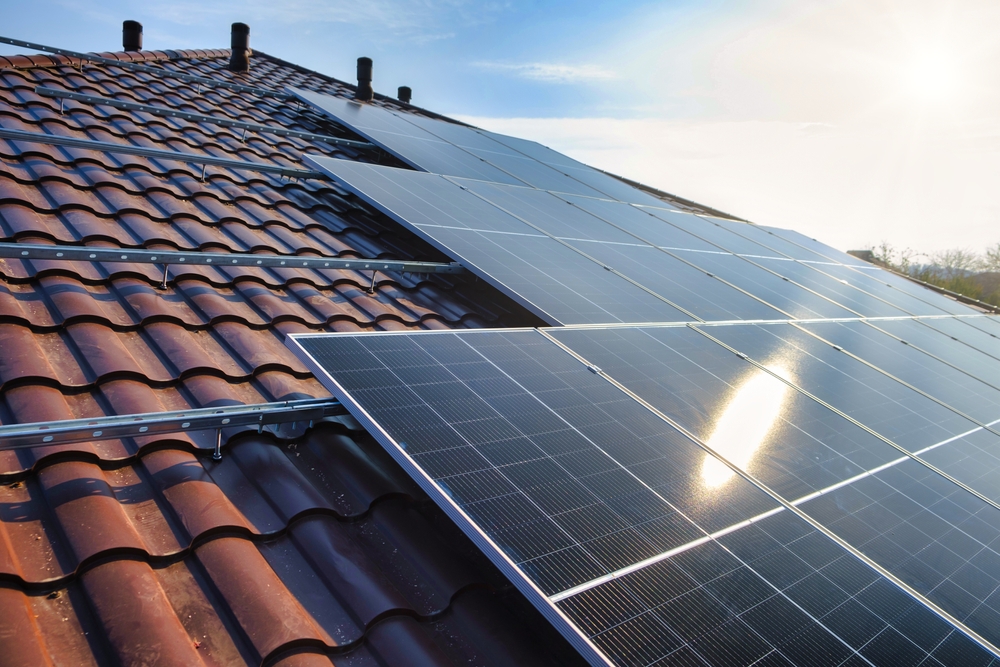
Australia now has more than four million rooftop solar installations, the highest per-capita uptake in the world, and 2026 is the year the economics have shifted decisively in favour of homeowners who make the switch. The combination of the federal Cheaper Home Batteries Program, grid electricity prices above 30 cents per kWh, collapsing feed-in tariffs, and falling hardware costs has created a different financial picture to what existed even two years ago. A standard 6.6 kW solar system in southeast Queensland now pays itself back in three to five years, not six to eight.
The case for solar has never just been about saving money. Energy independence, blackout resilience, and avoiding the annual retailer price hike cycle all matter too, and each of those has become more valuable as Australian grid reliability has faced more stress through storm seasons. Below is a straight look at what you actually gain by switching to solar in 2026, what has changed in the past year, and what to factor in before committing.
How solar power actually works
Solar panels capture sunlight and convert it into direct current (DC) electricity using photovoltaic cells. An inverter then converts that DC into the alternating current (AC) your home appliances use. Whatever your home does not consume in real time either flows to a battery for later use, or is exported back to the grid for a feed-in tariff.
That last point has changed dramatically. Five years ago exporting excess solar was worth almost as much as using it. Today, with most Queensland retailers paying 4 to 6 cents per kWh for exports, the financial case has shifted to using your own solar rather than selling it. That is why batteries have become a central part of the conversation for new solar installs, and why we cover the numbers in detail in our guide on how much solar batteries cost.
The financial case in 2026
Immediate cuts to your electricity bill
A typical 6.6 kW solar system generates around 26 to 30 kWh per day in southeast Queensland. For most family homes, that is enough to cover daytime usage with significant surplus left over. Annual savings for Queensland households with a well-sized solar system now average $1,800 to $2,400 per year, up meaningfully from the $1,500 to $2,000 range cited in 2024 because grid electricity has continued to rise while solar generation costs have fallen.
The Australian Energy Regulator’s latest default offer data shows southeast Queensland residential rates now sit between 29 and 36 cents per kWh including supply charges, with further increases flagged for the 2026-27 regulatory period. Every kWh your solar produces and you self-consume is effectively a 30 cent discount on your bill.
The Small-scale Technology Certificates (STC) discount
The federal STC scheme continues to apply to solar installations in 2026, providing an upfront discount that reduces system cost by around $2,000 to $4,000 on a standard residential install depending on system size and zone. The scheme winds down toward 2030, so the STC value decreases each year. You can verify current STC pricing and eligibility on the Clean Energy Regulator website.
The Cheaper Home Batteries rebate
This is the big change from the 2025 version of this article. The federal Cheaper Home Batteries Program launched on 1 July 2025 and provides roughly $370 per kWh of usable battery capacity installed, applied at the point of sale. For a 13 kWh battery, that is close to $4,800 off. The program runs through to 2030, with the rebate tapering each year.
This has materially changed how many homeowners approach a solar install. Rather than adding solar first and a battery later, many 2026 quotes now include both upfront because the combined numbers work out significantly better than they did in 2024. Whether this applies to your home depends on usage and payback, which we cover in detail on the solar battery page.
Property value and buyer demand
Solar-equipped homes continue to sell faster and command a small price premium, particularly in areas with strong electrification trends. The effect is more pronounced on homes with solar-plus-battery systems because buyers increasingly factor in ongoing running costs, not just purchase price. If you are installing for a five-year stay or longer, the resale benefit is incremental on top of the running savings.
Environmental benefits that still matter
Real emissions reduction
A 6.6 kW solar system in southeast Queensland offsets approximately 8 to 9 tonnes of carbon dioxide per year based on current grid emissions intensity, which remains largely coal-generated in Queensland. That is double the 4-tonne figure often quoted a few years ago because grid carbon intensity and household average system size have both shifted. Over the 25-year warranted lifetime of the panels, the avoided emissions total more than 200 tonnes per home.
Alignment with Australia’s 2030 and 2050 targets
Australia is legislatively committed to a 43 percent reduction in emissions by 2030 under the Climate Change Act 2022, and net zero by 2050. Rooftop solar is one of the single biggest contributors to hitting those targets because it offsets grid demand during peak generation hours. The Clean Energy Council buyers guide outlines how household solar fits the national energy transition.
Lower local environmental impact
Unlike fossil fuel generation, solar panels produce no water pollution, no air pollution during operation, and no waste requiring ongoing management once installed. Panel recycling pathways have also matured significantly in the past two years, with the Australian Photovoltaic Institute and state government programs now supporting end-of-life disposal.
Energy independence and resilience
Protection from retailer price hikes
Every summer and winter, Queensland retailers announce new default market offers, and the trend has been consistently upward for the past decade. Solar effectively locks in a large portion of your electricity supply at zero marginal cost once the system is installed. A well-sized system can offset 60 to 80 percent of a typical home’s annual consumption without a battery, or 85 to 95 percent with one.
Blackout resilience with battery backup
The 2024 and 2025 Queensland storm seasons caused extended outages for tens of thousands of homes, which has visibly shifted homeowner priorities. A solar and battery system with backup capability can keep essential circuits running through grid outages, a feature that standard solar-only systems cannot provide because of anti-islanding safety requirements. If grid reliability matters to your household, the combination of a backup-capable battery and having an emergency electrician on call provides meaningful resilience.
Preparing for full electrification
If you are planning to buy an electric vehicle, switch from gas to induction cooking, or install a heat pump hot water system in the next few years, your electricity demand will rise substantially. Having solar in place first means that additional electrical load is covered by your own generation rather than fully imported from the grid at retail rates. Electrification planning is becoming one of the main reasons homeowners install solar larger than their current usage would suggest.
Technology in 2026
Panel efficiency
Quality tier-1 residential panels now routinely achieve 22 to 23 percent efficiency, with premium models from manufacturers like SunPower and REC reaching 24 to 25 percent. What this means practically is that a 6.6 kW system in 2026 occupies less roof space than a 6.6 kW system installed five years ago, and generates more power in marginal light conditions.
Battery chemistry and capacity
Lithium iron phosphate (LFP) chemistry now dominates the Australian residential battery market, having largely replaced older lithium nickel manganese cobalt (NMC) options. LFP is safer, lasts longer, and holds capacity better across its lifespan. Typical usable capacity per residential unit now sits at 10 to 16 kWh, with stackable systems allowing expansion without a full rebuild.
Smart monitoring and Virtual Power Plants
Every modern inverter comes with app-based monitoring as standard, showing real-time generation, consumption, battery state of charge, and grid flows. More significant is the growth of Virtual Power Plant (VPP) programs, where your battery can be dispatched into the grid during peak demand events for additional payment from participating retailers. A battery enrolled in a VPP can add $300 to $600 per year of revenue on top of its self-consumption savings.
Business benefits
Operating cost reduction
Commercial solar installs typically pay back in two to four years for businesses with high daytime electricity consumption, faster than residential. For any business operating Monday to Friday during daylight hours, solar directly offsets the most expensive kWh of the day and the economics are usually the strongest available investment case for any capital expense of comparable size.
Tax incentives and instant asset write-off
Small and medium businesses may be eligible for accelerated depreciation or instant asset write-off provisions on solar installations depending on current federal tax rules. Check with your accountant, as the thresholds change periodically.
Brand and staff expectations
Commercial tenants, staff, and customers increasingly expect sustainability commitments to be visible and substantive. Solar is one of the few sustainability investments that is genuinely profitable rather than a cost of doing business.
Common concerns, honestly addressed
Is solar reliable?
Yes. Modern panels are warrantied for 25 to 30 years of performance. Inverters typically last 10 to 15 years before replacement. Well-installed systems run for decades with minimal maintenance beyond an annual visual check and occasional cleaning.
Do solar panels work on cloudy days?
They generate at reduced output, typically 10 to 25 percent of peak, but they still produce. Winter output is around 60 to 70 percent of summer output in southeast Queensland.
What about the upfront cost?
A 6.6 kW system installed in southeast Queensland in 2026 typically costs $5,000 to $8,000 after STC discounts, before any battery. Most households see payback in three to five years, which is inside the first warranty period of every component. If a battery is added, total cost increases but the payback horizon remains comfortable inside the warranty period for most typical usage profiles. Full cost breakdowns for the battery side are covered in our post on whether solar batteries are worth it.
What if my switchboard is old?
Older Queensland homes often have switchboards that predate current electrical standards and cannot safely accommodate solar connection. A switchboard upgrade is sometimes required before install, adding $1,500 to $3,500 to the project. A proper site inspection before quoting will surface this upfront rather than as a surprise.
Why 2026 is different
The 2025 version of this article made the case that solar was an increasingly attractive option. The 2026 version is simpler. For most Queensland homes with reasonable roof space and daytime occupancy, solar is now the single best-returning capital investment available to a homeowner. The Cheaper Home Batteries rebate has pulled battery economics forward by several years. Grid electricity prices have continued their upward trend. Panel efficiency and battery capacity have improved. Install costs have fallen in real terms.
The honest question is no longer whether solar makes sense but whether you have the right system size and configuration for your home and your plans for the next decade.
If you want a straight site-specific assessment rather than a generic quote, Essence Electrical surveys your roof, switchboard, and usage profile before quoting, with a clear breakdown of solar-only versus solar-and-battery options matched to your actual electricity bill. Get in touch to get it mapped for your home.