
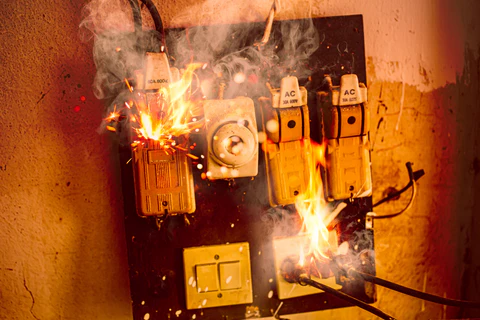
Electricity powers nearly every aspect of modern life, from lighting to appliances. However, this convenience comes with a responsibility: ensuring your home’s electrical system is safe and well-maintained. According to Energy Safe Victoria, electrical faults cause over 300 house fires in Australia each year. Ignoring routine electrical maintenance doesn’t just increase the risk of fire; it can also lead to power outages, costly repairs, and even life-threatening situations. Let’s explore the dangers of neglecting electrical maintenance and why regular inspections are essential for home safety.
Why Electrical Maintenance is Crucial
Your home’s electrical system is a complex network designed to handle specific loads safely. Over time, wear and tear, environmental factors, and increased energy demands can compromise its integrity. Routine maintenance ensures everything runs smoothly, preventing minor issues from escalating into major hazards.
The Hidden Dangers of Ignoring Electrical Maintenance
Here’s a closer look at the risks you face when electrical maintenance is neglected.
1. Increased Risk of Electrical Fires
One of the most significant dangers of ignoring electrical maintenance is the increased risk of house fires. Faulty wiring, overloaded circuits, and outdated components are common culprits.
Warning Signs of Electrical Fire Hazards:
- Flickering lights.
- Burning smells near outlets.
- Discoloured or scorched power points.
Why It Happens:
- Worn-out wiring can generate heat and spark fires.
- Overloaded circuits lead to overheating.
Prevention Tip: Schedule regular inspections to ensure your wiring is up to code and circuits aren’t overloaded.
2. Power Outages and Frequent Tripping of Circuit Breakers
Neglecting electrical maintenance can result in power disruptions that inconvenience your daily life. Frequent power outages or tripping circuit breakers indicate an underlying issue.
Common Causes:
- Overloaded circuits struggling to meet increased energy demands.
- Faulty circuit breakers that fail to handle power surges.
Consequences:
- Interruptions to daily routines, especially during extreme weather.
- Potential damage to sensitive appliances like computers and TVs.
Solution: A professional electrician can upgrade your circuit breaker or reconfigure circuits to handle your household’s power needs.
3. Electrocution and Electric Shocks
Damaged wiring, faulty outlets, or appliances can expose you to electric shocks, posing a serious safety risk.
High-Risk Areas:
- Kitchens and bathrooms where water is present.
- Outdoor outlets and lighting systems.
How It Happens:
- Exposed wires or faulty grounding lead to accidental contact with live electricity.
Safety Tip: Install Ground Fault Circuit Interrupters (GFCIs) in high-risk areas to prevent electric shocks.
4. Higher Energy Bills Due to Inefficiency
An inefficient electrical system can lead to higher energy consumption. Faulty wiring or outdated systems force appliances to work harder, consuming more power.
Signs of Inefficiency:
- Appliances take longer to operate or don’t function at full capacity.
- Unexplained increases in your energy bill.
Fix It: Upgrading to modern, energy-efficient wiring and appliances can lower your bills and reduce environmental impact.
5. Expensive Emergency Repairs
Neglecting maintenance often leads to unexpected electrical failures. Emergency repairs, especially during nights or weekends, can be costly.
Common Emergency Issues:
- Complete power loss.
- Sudden failure of essential appliances like refrigerators or HVAC systems.
Prevention Tip: Regular maintenance helps identify potential problems early, avoiding costly emergency repairs.
Key Components of Electrical Maintenance
To keep your home safe and efficient, focus on these critical areas during routine electrical maintenance:
1. Wiring and Connections
Over time, wiring can degrade or become damaged. Loose or corroded connections pose serious risks.
2. Circuit Breakers and Fuses
These components protect your home from power surges and overloads. Ensure they’re functioning correctly and replace any outdated units.
3. Power Points and Outlets
Inspect outlets for signs of wear, overheating, or loose connections. Replace damaged ones promptly.
4. Lighting Fixtures
Check for flickering lights, which could indicate faulty wiring or connections. Ensure all fixtures are properly grounded.
5. Outdoor Electrical Systems
Outdoor outlets, lights, and other installations are exposed to the elements, increasing wear and tear. Inspect and maintain these regularly to prevent hazards.
Benefits of Regular Electrical Maintenance
Investing in regular maintenance provides peace of mind and long-term savings.
1. Improved Safety
Regular checks identify and resolve potential hazards before they become serious.
2. Increased Efficiency
A well-maintained system operates more efficiently, saving energy and reducing utility bills.
3. Prolonged Lifespan of Appliances
Stable electrical systems prevent voltage fluctuations that can damage your appliances.
4. Compliance with Electrical Standards
Regular maintenance ensures your home meets the latest safety regulations, which is especially important if you plan to sell your property.
When to Schedule Electrical Maintenance
Annual Inspections:
It’s recommended to schedule a professional electrical inspection at least once a year.
After Renovations or Major Appliance Installations:
Upgrades or additions can change your home’s power needs, so a post-renovation check is crucial.
If You Notice Warning Signs:
Don’t wait for your annual checkup if you see warning signs like flickering lights, burning smells, or frequent breaker trips.
DIY vs. Professional Maintenance
While there are basic tasks homeowners can handle, such as inspecting visible wiring and replacing blown fuses, most electrical maintenance should be left to licensed electricians.
Why Choose a Professional:
- They have the tools and expertise to diagnose hidden issues.
- Professionals ensure compliance with safety standards.
- They can perform complex tasks like rewiring or upgrading panels safely.
Ignoring Electrical Maintenance is a Risk You Can’t Afford
Your home’s electrical system is too important to neglect. Ignoring regular maintenance can lead to serious safety hazards, higher energy bills, and costly emergency repairs. By staying proactive and scheduling routine inspections, you can protect your home and loved ones while ensuring efficient and reliable power. Don’t wait for a disaster—take steps now to keep your electrical system in top shape.