
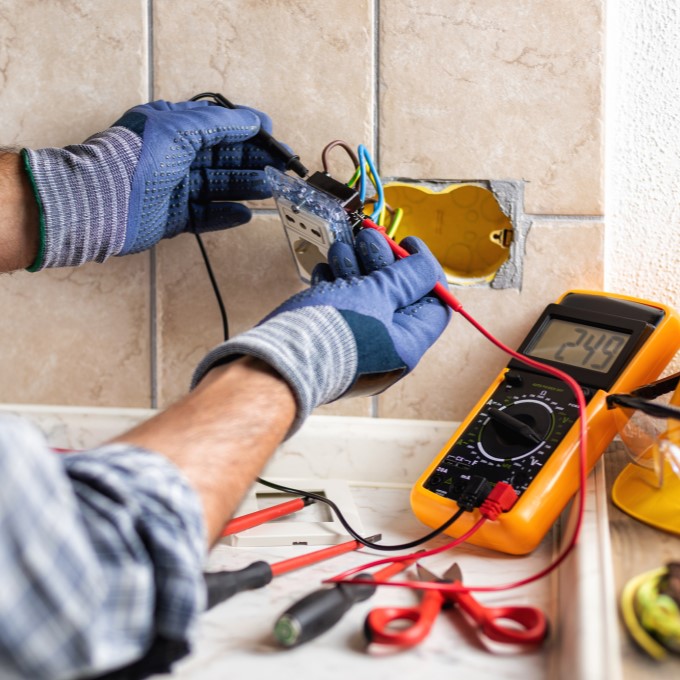
It’s tempting to try and fix that flickering light or faulty socket yourself. After all, with so many online tutorials and hardware stores nearby, DIY electrical work might seem harmless. However, in Australia, performing unlicensed electrical repairs isn’t just dangerous—it’s illegal.
In 2022 alone, over 800 household electrical incidents were reported nationwide, many linked to unauthorised DIY work. These accidents aren’t just statistics; they represent real fires, serious injuries, and in some tragic cases, fatalities.
So, can you do DIY electrical repairs at home in Australia? The short answer is: no—not unless you are a licensed electrician. Let’s explore why, what the law says, and what risks you take by trying to do it yourself.
What the Law Says: Electrical Work in Australia
Australian law strictly regulates who can perform electrical work in residential and commercial settings. In every state and territory, the rule is the same: only licensed electricians are legally permitted to carry out electrical repairs, alterations, or installations.
Illegal Electrical DIY Work Includes:
- Replacing power points or light switches
- Installing new light fixtures or ceiling fans
- Wiring appliances or circuit boards
- Repairing damaged cabling
- Modifying switchboards or safety switches
Even seemingly simple tasks—like installing a new oven or adding a power outlet—require certification. Breaching these regulations can result in substantial fines, insurance complications, and, more seriously, endanger lives.
Penalties for Unlicensed Electrical Work
The penalties for unauthorised electrical repairs are severe—and they should be. State regulators enforce strict rules to protect the public.
Potential Consequences Include:
- Fines up to $100,000 depending on the severity and jurisdiction
- Voided home insurance if the damage is linked to illegal electrical work
- Personal liability for injury or death resulting from your actions
- Mandatory rectification by a licensed contractor, at your expense
Some states even pursue criminal charges for repeat or reckless offenders. It’s not just a matter of doing something wrong—it’s doing something illegal.
The Safety Risks of DIY Electrical Work
Electricity is not forgiving. Unlike carpentry or painting, a small mistake with wiring can have catastrophic consequences.
Dangers of DIY Electrical Repairs:
- Electric shock: Can result in burns, cardiac arrest, or death
- Electrical fires: Faulty wiring is one of the leading causes of house fires in Australia
- Overloaded circuits: Improper installations can lead to short circuits and overheating
- Damaged appliances: Incorrect voltages or connections can ruin expensive equipment
- Hidden faults: You might not see the issue immediately, but it could be lurking behind walls
These aren’t rare scenarios. Every year, Australian emergency services respond to hundreds of fires caused by illegal or faulty electrical work.
What You Can Do Yourself Legally
While the law is firm on what you can’t do, there are some minor tasks that homeowners can safely and legally handle—provided no wiring is involved.
Permissible DIY Electrical Tasks:
- Changing a light bulb
- Resetting a safety switch
- Plugging in and using approved electrical appliances
- Replacing fuses (in older systems)
- Using extension cords or power boards safely
However, anything beyond these basics requires a licensed electrician. If you’re unsure whether a task is legal, it’s best to assume it’s not—or confirm with a professional.
How to Identify a Licensed Electrician
Choosing the right professional for the job is crucial. All licensed electricians in Australia carry accreditation and must comply with safety and quality standards.
What to Look For:
- Electrical contractor licence number (must be valid and visible on invoices and business material)
- Public liability insurance and industry compliance
- Membership in state bodies like NECA (National Electrical and Communications Association)
- Reviews or recommendations from past clients
In most states, you can verify a tradesperson’s licence through government registries such as Energy Safe Victoria, Fair Trading NSW, or the Queensland Building and Construction Commission.
Why Hiring a Licensed Electrician is Worth It
Some homeowners avoid calling an electrician due to perceived cost. But when compared to the risks of DIY, professional electrical work is an investment in safety, compliance, and long-term peace of mind.
Benefits of Hiring a Licensed Electrician:
- Safe installation and repairs that meet Australian Standards
- Warranty-backed work for added confidence
- Up-to-date knowledge of current codes and energy efficiency options
- Professional advice on future upgrades, such as solar or smart home integration
In the event of a sale or inspection, professionally installed systems also add to your home’s value and credibility.
A Word on Insurance and Compliance
One of the most overlooked consequences of unauthorised electrical work is its impact on your home insurance. Most policies have clear exclusions for damage caused by illegal or unlicensed activity.
Insurance Implications Include:
- Denied claims for fire or damage resulting from unlicensed repairs
- Increased premiums after reporting faults
- Cost of rectifying non-compliant work not covered
If you’re caught post-incident, you may be forced to pay out of pocket for repairs, replacements, and even legal costs.
Don’t Risk It: Leave Electrical Repairs to the Experts
So, can you DIY electrical repairs at home in Australia? The law—and common sense—says no. While it may be tempting to save time or money, the legal, financial, and personal risks far outweigh any short-term convenience.
When it comes to electrical work, safety is non-negotiable. Hire a licensed electrician, get the job done right the first time, and enjoy the peace of mind that comes with a legally compliant and secure home.