
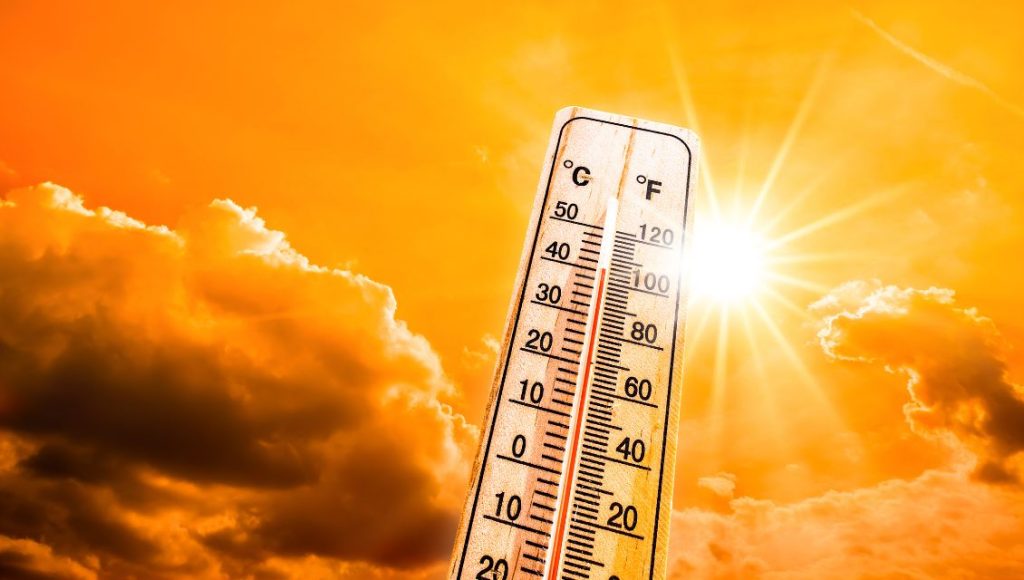
Australia is no stranger to intense heatwaves, with temperatures soaring well above 40°C in some regions. Heatwaves are responsible for more deaths than any other natural disaster in the country. Preparing your home and family for extreme heat isn’t just about comfort—it’s a matter of safety. From efficient cooling strategies to vital electrical tips, here’s how you can keep your home cool and safe during the next heatwave.
Why Heatwave Preparation is Crucial
Heatwaves put immense stress on both people and infrastructure. High temperatures can lead to power outages, overworked air conditioning systems, and increased risks of heat-related illnesses. Preparing in advance ensures you stay comfortable, avoid costly repairs, and reduce the risk of electrical hazards.
Cooling Tips to Keep Your Home Comfortable
Maintaining a cool indoor environment is essential during a heatwave. Here’s how to maximize your home’s cooling efficiency.
1. Optimize Your Air Conditioner’s Performance
Your air conditioner is your best ally during a heatwave, but it needs to run efficiently to keep up with demand.
Steps to Prepare Your AC:
- Clean or Replace Filters: Dirty filters reduce airflow and efficiency.
- Schedule Maintenance: Ensure your AC is serviced before the heatwave hits to prevent unexpected breakdowns.
- Set the Thermostat Wisely: Aim for 24-26°C for a balance between comfort and energy savings.
2. Use Fans to Circulate Air
Fans don’t lower the temperature but help distribute cool air throughout your home.
Pro Tip: Use ceiling fans in conjunction with your air conditioner. Set them to spin counterclockwise for a cooling breeze.
3. Block Out the Heat
Prevent heat from entering your home by managing sunlight and ventilation.
Effective Strategies:
- Close blinds, and curtains, or use reflective window films during peak sunlight hours.
- Seal gaps around doors and windows to keep cool air in and hot air out.
- Open windows at night if the outside temperature drops significantly, allowing cooler air to flow in.
4. Stay Hydrated and Cool Your Body
Cooling your environment is essential, but so is keeping your body temperature in check.
Personal Cooling Tips:
- Drink plenty of water, even if you don’t feel thirsty.
- Use damp towels or cool showers to reduce body heat.
- Wear light, breathable clothing.
Electrical Safety Tips During a Heatwave
High temperatures can put a strain on your home’s electrical system, increasing the risk of power outages and electrical hazards.
1. Avoid Overloading Circuits
Heatwaves lead to higher electricity consumption as air conditioners, fans, and other cooling devices run continuously. Overloading your circuits can cause breakers to trip or, worse, spark electrical fires.
How to Prevent Overloading:
- Spread out the use of high-energy appliances across different outlets.
- Avoid running multiple high-wattage devices simultaneously, such as air conditioners and washing machines.
- Use power boards with built-in surge protectors to safeguard your devices.
2. Protect Against Power Surges
Power surges can occur during heatwaves, especially if there are blackouts followed by sudden power restoration.
Protection Measures:
- Install surge protectors on critical devices like your air conditioner, fridge, and computer.
- Consider a whole-house surge protector for comprehensive protection.
3. Be Prepared for Power Outages
Heatwaves often lead to power outages due to increased demand on the grid.
Power Outage Preparation:
- Keep flashlights and spare batteries easily accessible.
- Charge your phones and portable power banks in advance.
- Use a battery-operated fan or consider investing in a small generator for essential appliances.
4. Inspect Electrical Cords and Outlets
Faulty or damaged cords can become a fire hazard, especially during periods of heavy use.
Inspection Checklist:
- Look for frayed wires or loose connections.
- Ensure plugs fit snugly into outlets without excessive force.
- Replace damaged cords immediately.
5. Turn Off Unnecessary Appliances
Reducing the load on your electrical system can prevent overheating and lower the risk of power outages.
Tips to Reduce Load:
- Turn off devices and appliances that aren’t in use.
- Unplug electronics like TVs and gaming consoles when not needed.
- Use energy-efficient appliances to minimize consumption.
Emergency Preparedness for Extreme Heat
In addition to cooling and electrical safety, having an emergency plan can help you navigate heatwaves effectively.
1. Create an Emergency Kit
Ensure your kit includes essentials like:
- Bottled water and electrolyte drinks.
- Battery-powered fans.
- A first-aid kit and medications.
- Flashlights and extra batteries.
2. Know the Signs of Heat-Related Illness
Heatwaves can lead to heat exhaustion or heatstroke. Watch for symptoms such as:
- Heavy sweating or lack of sweating (heatstroke).
- Nausea, dizziness, or confusion.
- Rapid pulse or fainting.
What to Do: Move to a cooler place, hydrate, and seek medical attention if symptoms persist.
The Role of Smart Technology in Heatwave Preparation
Smart home devices can enhance your heatwave preparedness by automating and optimizing cooling and energy usage.
Smart Solutions to Consider:
- Smart Thermostats: Adjust cooling remotely and set schedules to optimize energy usage.
- Energy Monitoring Systems: Track real-time energy consumption and identify high-usage devices.
- Smart Plugs: Automate the power supply to devices, reducing load during peak hours.
Stay Cool and Safe This Heatwave Season
Preparing for a heatwave involves more than just cranking up the AC. By optimizing your cooling systems, practicing electrical safety, and staying hydrated, you can ensure your home remains a comfortable and safe refuge from the heat. Don’t wait for the next extreme weather alert—start preparing now to beat the heat and protect your family.