
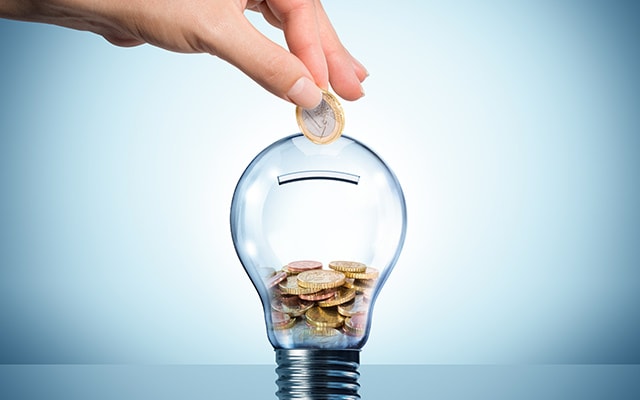
Electricity bills can feel like a financial burden, particularly with rising energy costs in Australia. With modern households increasingly reliant on electrical appliances and devices, reducing electricity usage is more important than ever.
The good news? There are plenty of practical steps you can take to reduce your power bill without compromising on comfort or convenience. From upgrading to energy-efficient appliances to optimising your home’s energy use, this guide will help you start saving on electricity straight away.
Why Energy Efficiency is Essential
Improving energy efficiency isn’t just about saving money—it’s also about reducing your carbon footprint and contributing to a sustainable future. According to the Australian Government’s Department of Climate Change, Energy, the Environment and Water, energy-efficient practices can save households hundreds of dollars annually while reducing greenhouse gas emissions.
By making small changes and adopting better energy habits, you can achieve significant savings on your electricity bill while helping the planet.
Switch to LED Lighting
One of the easiest and most effective ways to save on electricity is by upgrading to LED (light-emitting diode) lighting. LEDs are far more energy-efficient than traditional incandescent or halogen bulbs, consuming up to 75% less electricity while lasting significantly longer.
Here’s why LEDs are a smart choice:
- Energy savings: LEDs convert more energy into light and less into heat, meaning lower energy usage.
- Longevity: They last up to 25 times longer, meaning fewer replacements.
- Dimmable options: Many LEDs allow you to adjust brightness, reducing energy use even further.
By replacing your most-used bulbs with LED alternatives, you’ll quickly notice a reduction in your electricity bill.
Upgrade to Energy-Efficient Appliances
Outdated appliances are often energy guzzlers, adding unnecessary costs to your electricity bill. Replacing them with energy-efficient models can save you hundreds of dollars over their lifetime.
Look for appliances with the Energy Rating Label, a star-rating system used in Australia to indicate energy efficiency. Appliances with higher star ratings use less energy and cost less to operate.
Some key appliances to consider upgrading include:
- Refrigerators and Freezers: Modern, energy-efficient models use significantly less electricity.
- Air Conditioners: In Australia’s hot summers, high-efficiency air conditioners with inverter technology can reduce cooling costs.
- Washing Machines and Dryers: Front-loading washers and heat pump dryers use less energy and water.
Though the initial investment may be higher, energy-efficient appliances will lower your bills over time and offer better performance.
Unplug Devices and Avoid Standby Power
Did you know many devices continue to use electricity even when they’re switched off? This is called standby power or phantom energy, and it can account for up to 10% of your electricity bill.
Reduce standby power by:
- Unplugging chargers when they’re not in use.
- Switching off devices like TVs, game consoles, and computers at the wall.
- Using smart power boards or timers to cut off power to multiple devices when they’re not needed.
These simple habits can significantly reduce your energy consumption without much effort.
Optimise Your Thermostat Settings
Heating and cooling make up a large portion of household energy use in Australia, particularly during summer and winter. Adjusting your thermostat can lead to significant savings:
- In summer, set your air conditioner to 24–26°C, which is an ideal balance between comfort and energy efficiency.
- In winter, keep your heater at 18–20°C to avoid overworking it.
- Use a programmable thermostat or a smart thermostat to automate temperature adjustments based on your schedule.
By maintaining moderate settings, you can stay comfortable while keeping costs down.
Seal Air Leaks and Insulate Your Home
Australia’s climate can be unpredictable, and many homes lose energy due to poor insulation or draughts. Air leaks make your heating and cooling systems work harder, increasing your electricity bills.
Here’s how to fix it:
- Seal gaps: Use weather strips or door seals to close draughts around doors and windows.
- Insulate your roof and walls: Insulation helps stabilise indoor temperatures, reducing the workload on your HVAC system.
- Close curtains and blinds: During hot days, block out the sun to keep your home cool, and in winter, trap warmth inside.
These steps can reduce your reliance on air conditioning and heating, which are some of the biggest contributors to high energy bills.
Maximise Daylight
Australia is blessed with plenty of natural sunlight, so take advantage of it to light your home for free! During the day, open curtains and blinds to let the sunshine in, reducing your dependence on artificial lighting.
To further optimise daylight usage:
- Paint walls in light colours to reflect sunlight.
- Place workspaces near windows to benefit from natural light.
- Consider installing skylights for additional daylight in dark areas of your home.
By utilising daylight, you can reduce your electricity usage while brightening your living space.
Use Appliances During Off-Peak Hours
Many Australian energy providers offer off-peak electricity rates, which are significantly cheaper than peak-hour rates. Running energy-intensive appliances like washing machines, dryers, and dishwashers during these off-peak times can save you money.
Check with your electricity provider for details about their time-of-use tariffs and adjust your energy usage accordingly.
Schedule Regular Electrical System Maintenance
A well-maintained electrical system operates more efficiently, saving energy and reducing costs. Regular inspections by a licensed electrician can:
- Identify and fix faulty wiring or connections.
- Ensure your appliances and systems are running at peak efficiency.
- Recommend upgrades for better energy savings, such as installing a surge protector or upgrading your switchboard.
Scheduling routine check-ups not only helps you save money but also ensures your home remains safe.
Invest in Solar Energy
Australia’s abundant sunlight makes solar energy an excellent long-term solution for reducing electricity bills. Solar panels generate your own electricity, helping you save on energy costs and reduce reliance on the grid.
Key benefits of solar energy include:
- Lower electricity bills.
- Eligibility for solar rebates and incentives in Australia.
- Reduced environmental impact.
Though the upfront cost can be significant, solar systems typically pay for themselves over time and can even generate income through feed-in tariffs.
Every Small Change Counts
Saving money on your electricity bill doesn’t require drastic lifestyle changes—small, consistent improvements can add up to big savings. From switching to LED lighting and sealing draughts to investing in energy-efficient appliances, there are plenty of ways to cut energy costs while staying comfortable.
Start with the tips that make the most sense for your household, and watch your electricity bills decrease over time. Not only will you save money, but you’ll also be doing your part to protect Australia’s environment.