
Electrical systems power nearly everything we do, from lighting our homes to running appliances and devices. However, when things go wrong, those same systems can quickly turn into serious safety hazards. According to the Electrical Safety Foundation International (ESFI), electrical malfunctions are one of the leading causes of residential fires, accounting for 51,000 house fires annually. This underscores why recognising the warning signs of electrical issues is vital for keeping your home or business safe, efficient, and compliant with modern standards.
Let’s uncover the key warning signs that indicate it’s time to call a licensed electrician. These aren’t just inconveniences—they could signify dangerous situations that demand immediate attention.
Why Electrical Issues Can’t Be Ignored
Electrical problems might seem minor at first—flickering lights or a tripped breaker might not set off alarm bells. But ignoring these issues is like letting a small leak grow into a flood. According to the National Fire Protection Association (NFPA), faulty wiring is a leading cause of residential fires, with devastating consequences.
Being proactive can prevent damage, protect your property, and most importantly, keep you and your family safe. Here’s what to watch for.
Flickering or Dimming Lights
Lights that flicker or dim randomly aren’t just annoying; they’re often a symptom of underlying electrical problems. This might happen when an appliance like a refrigerator or microwave kicks on, causing a voltage drop. While this could be a simple case of an overloaded circuit, it might also point to aging or loose wiring.
Left unchecked, loose wiring can overheat and become a fire hazard. A professional electrician can determine whether the problem lies in the wiring or the circuit itself.
Frequent Circuit Breaker Trips
If your circuit breaker trips often, it’s trying to tell you something. Circuit breakers are designed to protect your electrical system by cutting off power when they detect overloads, shorts, or ground faults.
Frequent tripping might mean:
- Your system is overloaded and can’t meet modern power demands.
- There’s a short circuit or a wiring fault.
- The breaker itself is failing and needs to be replaced.
Instead of resetting the breaker repeatedly, have an electrician investigate and resolve the root cause.
Warm or Discoloured Outlets and Switches
If an outlet or light switch feels warm when you touch it or notice discolouration, it’s a serious red flag. Warm outlets often mean excessive current is passing through them, which can cause overheating.
In severe cases, you might even notice scorch marks around the outlet. If you encounter this issue, turn off the power to the outlet and call an electrician immediately.
Burning Smells or Odd Odours
Check your outlets and electrical panel if you smell something burning and can’t identify the source. A burning smell could indicate that the wiring is overheating or that the insulation is melting.
This is not a “wait-and-see” situation. Turn off power to the area and call an electrician immediately. An odour like this could be the precursor to an electrical fire.
Buzzing or Crackling Noises
Electrical systems should operate silently. Any buzzing, crackling, or popping sounds coming from outlets, switches, or your breaker box could indicate loose connections or damaged components.
This kind of damage creates resistance, which generates heat—a recipe for a fire hazard. Addressing it quickly can save you from costly repairs or worse.
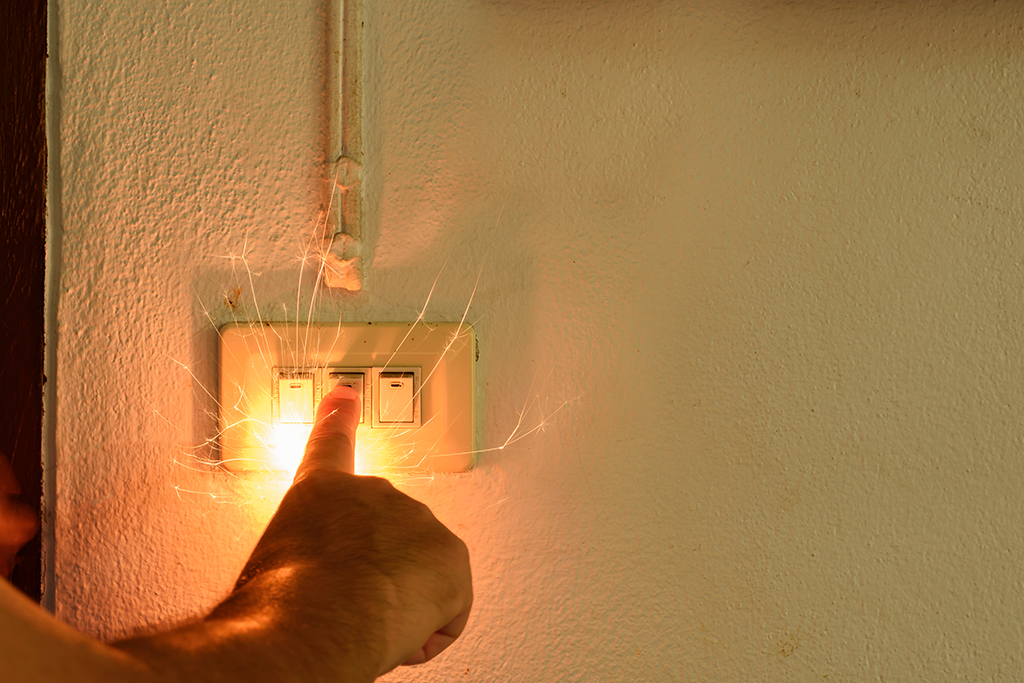
Sparks from Outlets
If you see a spark when plugging in or unplugging a device, it could mean the outlet is faulty, the wiring is damaged, or the circuit is overloaded.
While a small static-like spark is normal on rare occasions, frequent or large sparks accompanied by burning smells are not. This is a clear sign to call a professional.
Electrical Shocks
Have you ever touched an appliance and felt a small shock? This is a warning sign of faulty wiring or improper grounding. Even if the shock feels minor, it indicates that electricity isn’t flowing as it should.
Ignoring this issue can put you at risk for more severe shocks or even electrical fires.
Dead Outlets or Switches
An outlet or switch that suddenly stops working could be due to:
- A tripped circuit breaker
- Loose connections
- Damaged wiring
While some homeowners might attempt a DIY fix, it’s always safer to leave electrical repairs to the experts. A licensed electrician can safely identify and address the underlying issue.
Aging Electrical Panel
If your home’s electrical panel is outdated, it might struggle to handle today’s power demands. Warning signs include:
- Breakers tripping frequently.
- Visible rust or corrosion.
- Insufficient space for additional circuits.
Replacing or upgrading your panel can improve both safety and functionality.
Signs of Rodent Damage
Rodents love to chew on wires, stripping away the insulation and leaving exposed conductors. If you’ve noticed signs of rodent activity, it’s essential to check for electrical damage. Exposed wiring not only increases the risk of shocks but also creates a significant fire hazard.
Why DIY Repairs Can Be Dangerous
Electrical work is not a “do-it-yourself” project unless you’re a trained and licensed professional. Mistakes in wiring can lead to severe injury, property damage, or even loss of life. Moreover, unlicensed repairs can void your homeowner’s insurance and violate local building codes.
Always hire a certified electrician to ensure the work is safe and up to code.
Practical Tips for Preventing Electrical Problems
While some electrical issues are unavoidable, you can take steps to reduce the risk:
- Schedule routine inspections: Regular checks can identify small problems before they become big ones.
- Avoid overloading outlets: Use power strips with built-in surge protection to distribute loads safely.
- Replace damaged cords: Frayed or cracked cords should be replaced immediately.
- Test GFCI outlets: Ground fault circuit interrupters (GFCIs) should be tested monthly to ensure they’re working properly.
Staying proactive can save you time, money, and stress down the line.
Your Safety Comes First
Electrical issues might seem minor at first glance, but they can quickly turn into serious hazards if left unchecked. Whether it’s flickering lights, warm outlets, or buzzing sounds, these warning signs are your system’s way of telling you something is wrong.
Don’t wait until it’s too late. If you notice any of the signs outlined above, contact a licensed electrician immediately. By addressing the problem early, you’re investing in the safety, functionality, and longevity of your electrical system.