
What Should I Do in an Electrical Emergency?
Electrical emergencies can happen at any time, and knowing how to respond quickly and effectively can make all the difference. According to a report from Energy Safe Australia, electrical faults cause an estimated 1,000 residential fires annually. Understanding what steps to take in an electrical emergency could prevent injury, and damage, and even save lives.
This guide outlines the most common electrical emergencies and how to handle them safely.
Identifying an Electrical Emergency
An electrical emergency can take many forms, but the most common situations include:
- Power outages – Sudden loss of electricity in your home or area.
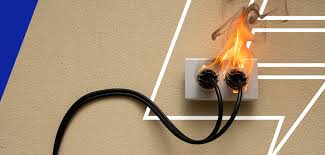
- Electrical fires – Sparks, smoke, or flames from electrical appliances or wiring.
- Electric shocks – When someone comes into contact with live electricity.
- Overloaded circuits – Flickering lights, burning smells, or tripped breakers.
- Downed power lines – Exposed electrical wires due to storms or accidents.
Knowing how to act in each scenario can reduce risks and prevent further hazards.
What to Do in a Power Outage
Power outages can be caused by storms, grid failures, or damaged electrical lines. If your home suddenly loses power:
- Check neighbouring houses – If only your home is affected, the issue might be with your electrical system.
- Inspect the switchboard – A tripped circuit breaker or blown fuse might be the cause. If safe to do so, reset it.
- Report the outage – Contact your electricity provider to report widespread outages.
- Use torches instead of candles – To prevent fire risks, rely on battery-operated lighting.
- Turn off appliances – Unplug major appliances to prevent damage when power is restored.
If the outage lasts for an extended period, consider storing perishable food in a cooler with ice packs to prevent spoilage.
Handling an Electrical Fire
Electrical fires require immediate action but must be handled differently from other fires. Follow these steps:
- Cut the power source – If safe, turn off electricity at the switchboard.
- Use a fire extinguisher – Only use a Class C or dry chemical fire extinguisher. Never use water on an electrical fire, as it conducts electricity.
- Evacuate and call emergency services – If the fire spreads or cannot be controlled, evacuate and dial 000.
- Close doors – To slow the spread of flames, close doors as you leave.
Preventative maintenance, such as regular electrical inspections, can significantly reduce the likelihood of electrical fires.
Responding to an Electric Shock
Electric shocks can range from mild to life-threatening. If someone receives an electric shock:
- Do not touch them – If they are still in contact with electricity, touching them could transfer the current to you.
- Turn off the power – If possible, switch off the electricity at the main switch.
- Use a non-conductive object – If the power cannot be turned off, push the person away from the source using a dry, wooden, or plastic object.
- Call for medical help – Dial 000 immediately, even if the person appears fine.
- Perform CPR if needed – If the person is unconscious and not breathing, perform CPR until emergency services arrive.
Even minor electric shocks can cause internal injuries, so medical evaluation is always recommended.
Dealing with Overloaded Circuits and Electrical Surges
Overloaded circuits and electrical surges are warning signs of potential hazards. If you notice:
- Frequent circuit breaker trips
- Burning smells from outlets
- Flickering lights when using appliances
Take the following actions:
- Unplug unnecessary devices – Reduce strain on the circuit.
- Avoid using multiple high-wattage appliances – Especially on the same circuit.
- Call an electrician – Persistent overload issues require a professional inspection.
Surge protectors can safeguard valuable appliances from sudden voltage spikes.
Safety Around Downed Power Lines
Downed power lines are a serious hazard, often occurring after storms or accidents. If you encounter one:
- Stay at least 8 metres away – The ground around live wires may carry electricity.
- Do not touch objects in contact with the wire – This includes fences, vehicles, or trees.
- Report immediately – Call 000 or your local electricity provider.
- If in a vehicle, stay inside – Do not exit unless absolutely necessary. If you must leave, jump clear without touching the car and the ground at the same time.
Educating children about the dangers of fallen power lines is crucial for their safety.
How to Prevent Electrical Emergencies
While some emergencies are unavoidable, many can be prevented through proactive measures:
- Schedule regular electrical inspections – A licensed electrician can identify hazards before they become serious problems.
- Use quality electrical appliances – Avoid counterfeit or uncertified products.
- Never overload power points – Use power boards with overload protection.
- Replace damaged cords and outlets – Frayed wires and loose connections increase fire risks.
- Install safety switches – These quickly cut power in the event of a fault, reducing electrocution risks.
When to Call an Emergency Electrician
Certain electrical issues require immediate professional attention. Contact an emergency electrician if you experience:
- Sudden and unexplained power failures.
- Burning smells from electrical outlets.
- Sparks or smoke from appliances.
- Exposed or damaged wiring.
Ignoring these signs can lead to severe consequences, including electrical fires and system failures.
Staying Safe and Prepared
Electrical emergencies can be dangerous, but being prepared and knowing how to respond can minimise risks. Whether it’s a power outage, electrical fire, or downed power line, always prioritise safety.
By following these guidelines and maintaining your home’s electrical system, you can significantly reduce the chances of encountering an emergency. If in doubt, always contact a professional electrician for advice or assistance.