
In the modern Australian home, electricity is no longer just a convenience—it’s a necessity. From air conditioning and electric ovens to EV chargers and home offices, the average household consumes more power than ever before. But while our devices have evolved, many homes still rely on outdated switchboards built decades ago.
If your switchboard hasn’t been upgraded since the 1980s or 90s, it’s likely struggling to keep up with today’s electrical demands. Worse, it could be putting your home and family at serious risk. Here’s why upgrading your switchboard isn’t just a smart idea—it’s a critical safety measure.
What Is a Switchboard and Why Is It Important?
The switchboard is the heart of your home’s electrical system. It directs power to various circuits and protects against faults using safety devices like fuses or circuit breakers.
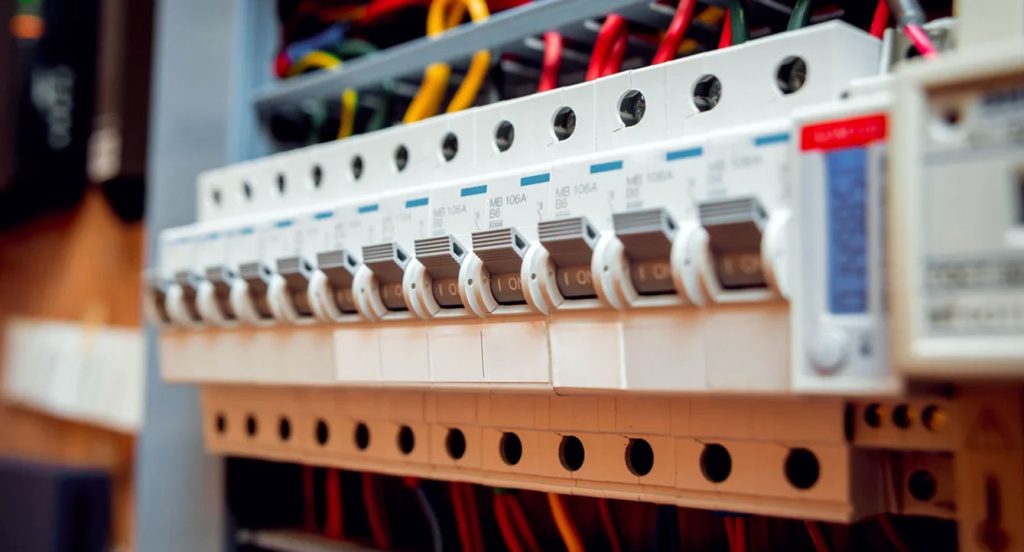
A modern switchboard is equipped with:
- Circuit breakers that shut off power during overloads
- Residual Current Devices (RCDs) that prevent electrocution
- Surge protectors that defend against power spikes
Older models often rely on ceramic fuses, which are slower, less sensitive, and increasingly non-compliant with Australian safety standards.
Signs Your Switchboard Needs an Upgrade
Not sure if your switchboard is outdated? There are several red flags to watch for.
Common Warning Signs:
- Frequent circuit breaker trips or blown fuses
- Flickering lights when multiple appliances run
- Burning smells near the electrical panel
- No safety switch (RCD) visible
- Warm or discoloured casing on the board
- Crackling noises from the switchboard
If you recognise any of these symptoms, it’s time to speak to a licensed electrician about upgrading your system.
The Risks of Keeping an Outdated Switchboard
Keeping an old switchboard isn’t just inconvenient—it can be dangerous. As your home’s power load increases, an outdated panel can become a fire or electrocution hazard.
Electrical Risks Include:
- Overloading circuits: Older systems weren’t built to handle modern loads like induction cooktops, home theatres, or EV chargers
- No RCD protection: Increases the risk of fatal electric shocks
- Fire hazards: Faulty wiring and overloaded fuses can cause electrical fires
- No compliance: Outdated switchboards don’t meet current Australian Standards (AS/NZS 3000)
Many house fires linked to electrical faults could have been prevented with a properly maintained and updated switchboard.
Benefits of a Modern Switchboard
Upgrading your switchboard isn’t just about safety. It also opens the door to better functionality, compliance, and peace of mind.
Top Benefits Include:
- Improved safety: With RCDs and circuit breakers that cut power instantly during faults
- More circuits: Support more appliances without overloading
- Energy efficiency: Better management of load demand and future solar or battery integration
- Compliance: Ensures your property meets current state and national electrical regulations
- Future-proofing: Supports smart technology, EV chargers, and energy monitoring systems
Think of it as giving your home a more intelligent and robust electrical backbone.
Do I Need a Switchboard Upgrade If I’m Renovating?
Absolutely. If you’re undertaking renovations, extensions or adding high-consumption appliances (like ducted air conditioning or electric ovens), an upgraded switchboard is often a requirement.
Upgrades Often Required For:
- Kitchen or bathroom renovations
- Installing solar panels or battery systems
- Adding a pool, spa, or outdoor kitchen
- Setting up a granny flat or second dwelling
- Electric vehicle (EV) charger installations
Don’t let an outdated switchboard be the weak link in your renovation plans.
Legal and Insurance Implications in Australia
Outdated switchboards may void your insurance coverage if they’re found to be the cause of an electrical incident. In addition, if you’re renting out a property, current legislation may require the installation of safety switches.
Key Compliance Points:
- AS/NZS 3000 (Wiring Rules): Mandatory electrical safety standards
- RCD requirements: All new or upgraded circuits must include RCD protection
- Landlord obligations: Rental properties in most states must have compliant switchboards with RCDs installed
Upgrading ensures you meet legal obligations and protect your financial interests in the event of a claim.
What Does a Switchboard Upgrade Involve?
A typical switchboard upgrade includes:
- Removing the old panel and fuses
- Installing new circuit breakers and RCDs
- Labelling all circuits for easy troubleshooting
- Testing all wiring and grounding
- Ensuring compliance with safety standards
A licensed electrician should always perform the upgrade. Never attempt to modify your switchboard yourself—doing so is illegal and extremely dangerous.
Cost of a Switchboard Upgrade in Australia
Costs vary depending on the size of the home, number of circuits, and whether additional electrical work is required.
Average Price Range:
- Basic upgrade: $800–$1,200
- Comprehensive upgrade (incl. rewiring): $1,500–$3,000+
- Add-ons (e.g. surge protection, solar integration): Additional
While it may seem like a big upfront investment, it’s a fraction of what it could cost to repair fire damage or deal with legal liabilities after a serious electrical incident.
Your Switchboard Is the Silent Guardian of Your Home
You can’t see it, hear it, or touch it often—but your switchboard plays a vital role in keeping your household safe and your systems running smoothly. As we continue to rely on more electronic devices, power-hungry appliances, and connected tech, your old switchboard may be struggling to keep up.
Upgrading your switchboard is more than a compliance task—it’s a proactive step toward a safer, smarter, and more capable home. Don’t wait until you experience a blackout or smell burning wires. Consult a licensed electrician and future-proof your electrical system today.