
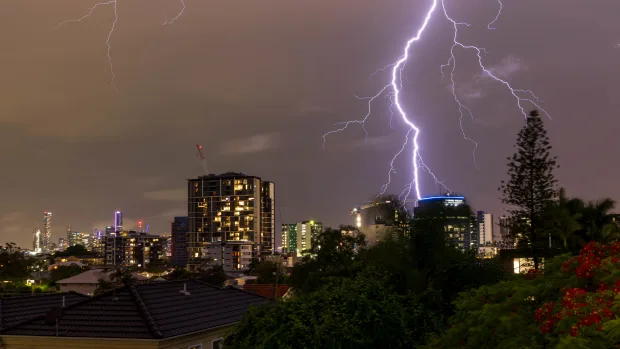
Storm season in Australia can be unpredictable, bringing heavy rains, strong winds, and lightning that often lead to power outages. In 2022, power outages during severe storms affected over 500,000 homes nationwide. Whether you’re in a coastal region or inland, it’s essential to be prepared for these disruptions. A little foresight can help you stay safe, comfortable, and well-equipped until the lights come back on.
Why Power Outages Are Common During Storm Season
Severe weather conditions put immense pressure on electrical infrastructure. Here’s why power outages are so prevalent during storm season:
- High Winds: Trees or debris can fall on power lines, causing damage.
- Lightning Strikes: Lightning can strike transformers or other critical components, leading to widespread outages.
- Flooding: Excessive water can damage underground power systems and substations.
Understanding these risks highlights the importance of preparation.
Creating a Power Outage Preparedness Plan
Being prepared for power outages starts with having a solid plan. This ensures that you and your family know what to do when the power goes out unexpectedly.
1. Stock Up on Essential Supplies
Having the right supplies on hand can make power outages more manageable. Here’s what you’ll need:
- Flashlights and Batteries: Opt for LED flashlights, which are energy-efficient and provide bright light.
- Non-Perishable Food: Stock up on canned goods, dried fruits, and snacks.
- Bottled Water: Aim for at least 4-5 litres per person, per day.
- Portable Power Banks: Keep your phones and small devices charged.
- First Aid Kit: Include bandages, antiseptics, and any essential medications.
2. Develop a Communication Plan
Establish a way to stay in touch with family members. Make sure everyone knows emergency contact numbers and has a plan for checking in during a power outage.
Preparing Your Home for Power Outages
Your home is your sanctuary during a storm, so it’s vital to ensure it’s ready for power disruptions.
1. Invest in Backup Power Solutions
If power outages are frequent in your area, consider these options:
- Portable Generators: A reliable choice for short-term power. Ensure it’s operated outside to avoid carbon monoxide poisoning.
- Home Battery Systems: Pairing a solar power system with a battery like the Tesla Powerwall provides a sustainable backup energy source.
2. Protect Electrical Appliances
Power surges, which often occur when electricity is restored, can damage your appliances.
Tips for Appliance Safety:
- Unplug sensitive devices like TVs, computers, and kitchen appliances during a storm.
- Use surge protectors to safeguard essential electronics.
3. Secure Outdoor Items
High winds can turn outdoor furniture, tools, or toys into dangerous projectiles. Store them securely to prevent damage to your property or power lines.
What to Do When the Power Goes Out
When the lights flicker off, it’s time to put your plan into action.
1. Stay Calm and Assess the Situation
Take a moment to ensure everyone in your household is safe. Use flashlights or battery-powered lamps to provide light.
2. Report the Outage
Contact your local energy provider to report the power outage. Many utilities offer apps or websites where you can check outage updates in real-time.
3. Keep Your Fridge and Freezer Closed
A closed fridge can keep food cold for about 4 hours, while a freezer can maintain its temperature for up to 48 hours if full. Only open them when necessary.
4. Use Battery-Powered Devices for News and Updates
Stay informed by using a battery-powered radio or your phone to check for weather updates and information on when power may be restored.
Staying Comfortable During an Extended Power Outage
If the outage lasts longer than a few hours, staying comfortable becomes a priority.
1. Temperature Control
- In Summer: Close blinds and curtains to keep your home cool. Use battery-operated fans if available.
- In Winter: Layer up with warm clothing and use blankets to conserve body heat.
2. Safe Food Practices
Keep a thermometer in your fridge and freezer to monitor temperatures. Discard perishable food that’s been above 4°C for more than two hours to avoid foodborne illnesses.
3. Keep Kids Entertained
Prepare activities that don’t require electricity, like board games, puzzles, or books, to keep children occupied and calm.
Returning to Normal After the Power is Restored
Once the power comes back, it’s important to follow these steps to ensure everything returns to normal safely.
1. Check Your Appliances
Gradually reconnect your devices to avoid overwhelming the electrical system. Inspect appliances for any damage or unusual behaviour before using them again.
2. Replenish Supplies
Restock any items you used during the outage, such as batteries or bottled water, to be prepared for the next storm.
3. Review Your Plan
Reflect on how well your preparation worked and make any necessary adjustments for future outages.
Technological Advancements to Help During Storm Season
In 2025, new technologies make it easier than ever to prepare for and manage power outages.
Smart Home Devices
Smart home systems can monitor power usage and provide alerts when the grid goes down. Some systems even allow you to remotely control appliances to ensure they’re turned off during an outage.
Weather Monitoring Apps
Stay one step ahead of the storm with weather apps that provide real-time updates and alerts, helping you prepare in advance.
The Importance of Community Preparedness
During a major storm, your local community can be an invaluable resource. Work with neighbors to create a support network, especially if you live near elderly residents or people with medical needs. Sharing resources and looking out for each other strengthens your collective resilience during challenging times.
Be Ready for Anything This Storm Season
Storm season doesn’t have to be a time of stress and uncertainty. With the right preparation, you can handle power outages with confidence, keeping your family safe and comfortable. By planning ahead, stocking essential supplies, and leveraging modern technology, you’ll be ready for whatever Mother Nature throws your way. Remember, preparedness is key, and staying informed can make all the difference.