
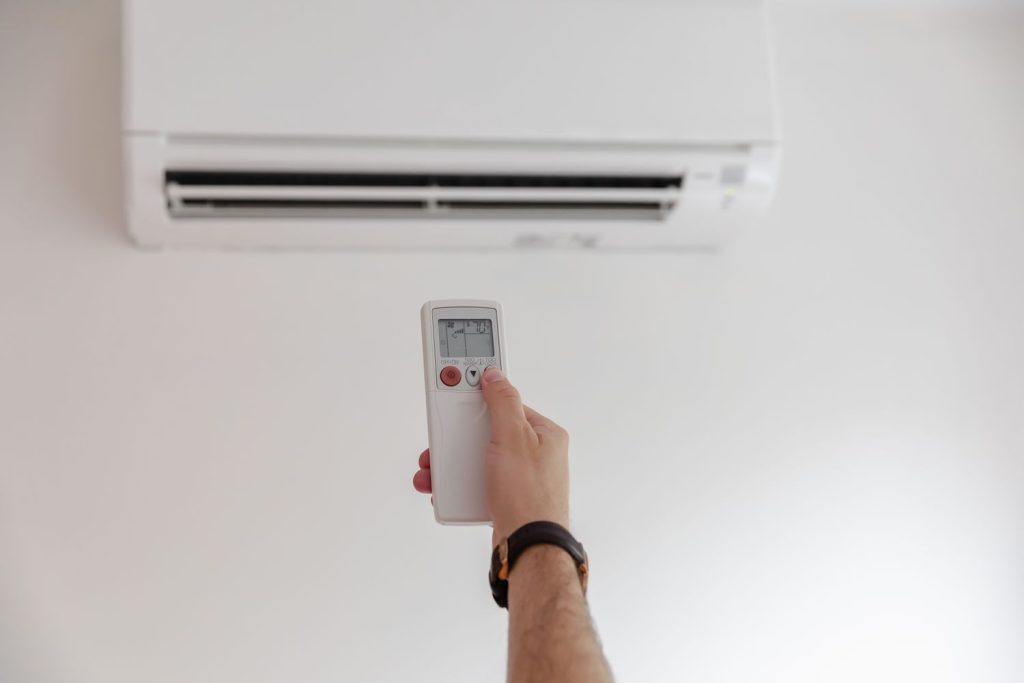
An air conditioner is a significant investment in your home’s comfort, especially during Australia’s sweltering summer months. On average, a well-maintained air conditioning unit lasts 10 to 15 years, but with the right care, you can stretch its lifespan even further. Neglecting maintenance, on the other hand, can lead to costly repairs or premature replacement. In this guide, we’ll cover the best practices to ensure your AC system stays in top shape, saving you money and keeping your home cool for years to come.
Why AC Maintenance Matters
Regular maintenance doesn’t just extend your air conditioner’s lifespan—it also improves its efficiency, reduces energy costs, and prevents unexpected breakdowns. According to Energy.gov.au, a properly maintained AC unit can improve energy efficiency by up to 15%.
Key Tips to Extend the Lifespan of Your Air Conditioner
By adopting a few simple habits and scheduling routine maintenance, you can significantly prolong your AC’s life and enhance its performance.
1. Clean or Replace Air Filters Regularly
One of the easiest and most effective ways to keep your air conditioner running smoothly is by maintaining clean air filters. Dirty filters restrict airflow, forcing your system to work harder and potentially causing overheating.
How Often to Check Filters:
- Monthly during peak usage (summer).
- Every three months during off-peak seasons.
Pro Tip: Some systems come with reusable filters that can be cleaned, while others require replacements. Check your user manual for guidance.
2. Keep the Outdoor Unit Clean
The outdoor unit (condenser) plays a crucial role in heat exchange. Debris such as leaves, dirt, and grass can accumulate around it, obstructing airflow and reducing efficiency.
Maintenance Steps:
- Clear the area around the unit to ensure at least two feet of clearance.
- Gently hose down the unit’s exterior to remove dirt and dust buildup.
3. Schedule Annual Professional Maintenance
While there’s a lot you can do yourself, certain tasks require a professional touch. An annual service by a licensed technician ensures your system is operating at peak efficiency.
What a Professional Service Includes:
- Checking refrigerant levels.
- Inspecting and tightening electrical connections.
- Cleaning the evaporator and condenser coils.
- Lubricating moving parts.
4. Use a Programmable Thermostat
Overworking your AC can shorten its lifespan. A programmable thermostat helps by optimizing its usage, allowing you to set cooling schedules based on when you’re home or away.
Why It Works:
- Reduces unnecessary strain during off-peak hours.
- Prevents the system from running continuously, which can lead to wear and tear.
5. Seal Air Leaks in Your Home
Air leaks in your home can cause your air conditioner to work overtime, trying to maintain the desired temperature. Common culprits include poorly sealed windows, doors, and ducts.
Quick Fixes:
- Use weather stripping or caulk to seal gaps around windows and doors.
- Insulate ducts to prevent cooled air from escaping.
6. Avoid Overworking Your AC
During hot days, it can be tempting to set your thermostat as low as possible. However, this places unnecessary strain on your system.
Best Practices:
- Set your thermostat to 24-26°C for optimal cooling and energy efficiency.
- Use fans in conjunction with your AC to circulate cool air and reduce workload.
7. Turn Off the AC When Not in Use
When you’re away for extended periods, there’s no need to keep your air conditioner running. Consider turning it off or setting it to a higher temperature to conserve energy and reduce wear.
Pro Tip: Use a smart thermostat to remotely control your system and adjust settings as needed.
8. Inspect and Clean the Condensate Drain Line
Your AC’s condensate drain line removes moisture from the system. Over time, it can become clogged with algae, dirt, or debris, leading to water backups and potential damage.
DIY Maintenance:
- Periodically flush the line with a mixture of vinegar and water to prevent clogs.
- Check for visible signs of blockages or leaks.
9. Ensure Proper Insulation
Good insulation helps your air conditioner maintain a consistent temperature without overexerting itself. This is especially important in areas like the roof and walls, where heat gain can be significant.
Upgrade Options:
- Install reflective roof materials.
- Use insulated curtains or blinds to block heat from entering through windows.
10. Avoid Frequent Power Cycling
Turning your air conditioner on and off frequently can cause wear on the compressor and other components. Let your system complete a cooling cycle before shutting it down.
Pro Tip: If you notice short cycling (frequent on/off), this could be a sign of an underlying issue, such as an oversized unit or a clogged filter. Call a technician for diagnosis.
Signs Your AC Might Need Extra Attention
Even with diligent maintenance, your air conditioner may show signs of wear over time. Here’s what to watch for:
- Increased Energy Bills: Sudden spikes in energy usage could indicate reduced efficiency.
- Strange Noises: Unusual sounds like grinding, hissing, or banging often signal mechanical issues.
- Weak Airflow: If air isn’t circulating properly, there could be a blockage or a failing motor.
- Frequent Repairs: If you’re calling your technician more often than usual, it might be time to consider a replacement.
The Role of Energy Efficiency in Prolonging AC Lifespan
Energy-efficient air conditioners not only save on electricity bills but also experience less wear and tear, extending their operational life. Look for systems with a high Energy Efficiency Ratio (EER) or Seasonal Energy Efficiency Ratio (SEER).
Why Energy Efficiency Matters:
- Reduces the workload on your unit.
- Lowers your carbon footprint.
- Helps maintain consistent performance over time.
When to Consider an Upgrade
Even the best-maintained air conditioners will eventually need replacement. If your system is over 15 years old and struggling to keep up with demand, upgrading to a modern, energy-efficient model could be a smarter investment in the long run.
Your Air Conditioner’s Lifespan is in Your Hands
By following these maintenance tips, you can significantly extend the lifespan of your air conditioner, ensuring it operates efficiently and reliably for years to come. Regular care not only saves you money but also enhances your home’s comfort, especially during those blistering Aussie summers. Stay proactive, and your AC will reward you with long-lasting, hassle-free performance.