
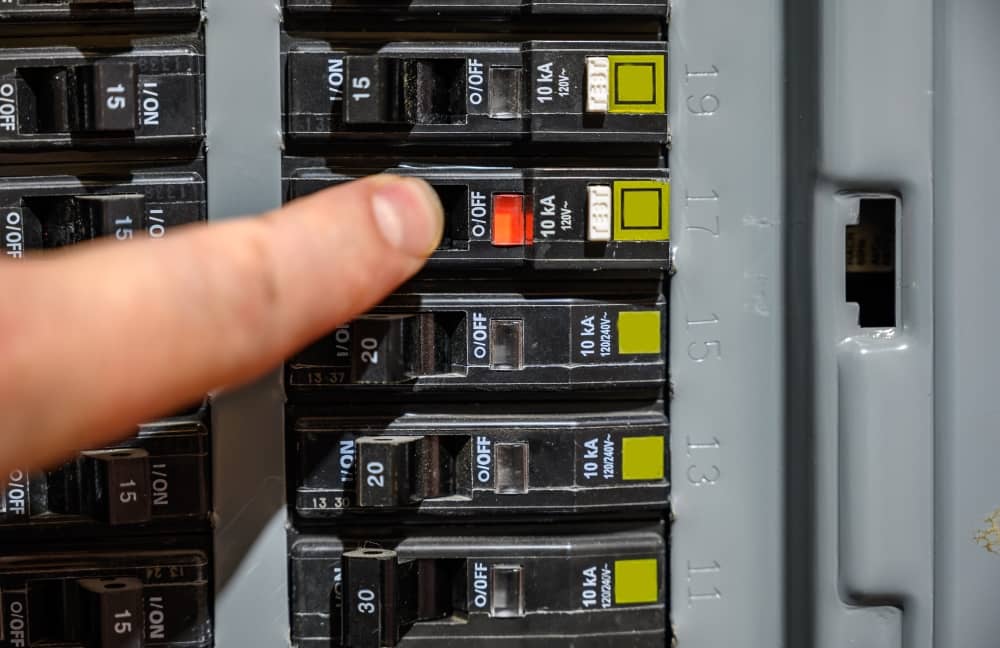
A Common Electrical Problem You Shouldn’t Ignore
A staggering 30% of Australian house fires are caused by electrical faults, many of which stem from overloaded circuits, short circuits, and ground faults. If your circuit breaker is constantly tripping, it’s not just an inconvenience—it could be a serious warning sign that your home’s electrical system is at risk. Addressing the issue promptly can protect your property, prevent damage to electrical appliances, and most importantly, keep your family safe.
Understanding the Role of a Circuit Breaker
A circuit breaker is a crucial safety device designed to protect your home’s electrical wiring from damage caused by excessive current. When the electrical load exceeds safe levels, the breaker trips, cutting off power to prevent overheating and potential fires. Essentially, a circuit breaker acts as a guardian of your electrical system, ensuring that faults do not escalate into hazardous situations.
However, if your breaker keeps tripping repeatedly, it’s a sign of an underlying problem that needs to be addressed.
The Three Most Common Reasons for a Tripping Circuit Breaker
When a circuit breaker trips, it’s typically due to one of three major reasons:
- Overloaded circuits
- Short circuits
- Ground faults
Each of these problems has distinct causes and solutions, and recognising the symptoms can help you take the right steps toward fixing them.
Overloaded Circuits: Too Much Power Demand
An overloaded circuit occurs when too many electrical devices are drawing power from a single circuit, exceeding its capacity.
Signs of an Overloaded Circuit
- Lights flicker or dim when appliances are turned on
- Warm or hot power outlets and switches
- Burning smell near outlets
- Appliances frequently shutting off unexpectedly
Common Causes of Overloaded Circuits
- Running multiple high-powered appliances on the same circuit (e.g., air conditioner, microwave, and toaster all at once)
- Using extension cords or power strips to plug in too many devices
- Older homes with outdated wiring are unable to handle modern electrical loads
How to Fix an Overloaded Circuit
- Unplug unnecessary devices and redistribute the electrical load across different circuits
- Upgrade your home’s electrical panel if your power needs have increased
- Hire a licensed electrician to install additional circuits if needed
If you find yourself frequently dealing with overloaded circuits, it may be time to upgrade to a higher capacity breaker or consider rewiring parts of your home.
Short Circuits: Dangerous Electrical Faults
A short circuit occurs when an unintended path is created between two conductors, allowing excessive electrical current to flow. This is a more serious issue than an overload, as it can lead to electrical fires if not addressed quickly.
Signs of a Short Circuit
- A breaker that trips immediately after resetting
- A burning smell or scorch marks on outlets or wiring
- Buzzing or crackling sounds from outlets or switchboards
- Melted or damaged wiring
Common Causes of Short Circuits
- Faulty wiring with exposed or damaged insulation
- Loose connections in electrical outlets or switches
- Malfunctioning appliances with internal wiring issues
- Water or moisture exposure in electrical systems
How to Fix a Short Circuit
- Unplug all appliances and check for damage before resetting the breaker
- Inspect outlets and wiring for visible signs of burning or melting
- If the breaker trips again, call a qualified electrician immediately—short circuits are a fire hazard and should not be ignored
Ground Faults: Hidden Electrical Dangers
A ground fault occurs when electricity strays from its intended path and flows directly into the ground. This usually happens when wiring insulation is damaged or when electrical components come into contact with water.
Signs of a Ground Fault
- Circuit breaker trips when using outdoor or wet-area outlets
- Electrical shocks when touching appliances or outlets
- Flickering lights in areas with high humidity, like bathrooms or kitchens
Common Causes of Ground Faults
- Faulty or aging wiring
- Water or moisture in electrical outlets
- Improper grounding of appliances
How to Fix a Ground Fault
- Install Ground Fault Circuit Interrupters (GFCIs) in areas prone to moisture, such as bathrooms, kitchens, and outdoor outlets
- Avoid using electrical devices with damaged cords or exposed wiring
- Get a professional electrician to inspect and repair faulty wiring
What Should You Do If Your Breaker Keeps Tripping?
If your circuit breaker trips occasionally, it may not be a major issue. However, repeated tripping is a sign of a persistent electrical problem that needs professional attention.
Step-by-Step Troubleshooting
- Identify the cause – Determine whether it’s an overload, short circuit, or ground fault.
- Unplug all devices – Reset the breaker and see if it holds. If it trips immediately, the problem is likely a wiring issue.
- Check for visible damage – Look for burnt outlets, frayed wires, or signs of overheating.
- Avoid DIY electrical work – Electrical issues can be hazardous, and incorrect repairs can lead to serious consequences.
When in doubt, always consult a licensed electrician to diagnose and fix the issue safely.
Preventing Future Circuit Breaker Trips
To maintain a safe and reliable electrical system, follow these preventative measures:
- Avoid overloading outlets – Spread out high-energy appliances across different circuits.
- Regularly inspect wiring – Look for frayed, cracked, or exposed wires.
- Upgrade outdated electrical panels – Older homes may need a higher capacity system to meet modern power demands.
- Use surge protectors – Protect appliances from power surges that can damage wiring.
- Install GFCI outlets – Especially in bathrooms, kitchens, and outdoor areas.
By staying proactive, you can reduce the risk of electrical hazards and keep your home running smoothly.
Your Safety Comes First
A tripping circuit breaker is not just an annoyance—it’s a warning sign that something is wrong with your electrical system. Ignoring the problem can lead to serious risks, including electrical fires, appliance damage, and even personal injury.
If your breaker keeps tripping and you’re unsure why, don’t take chances. Contact a licensed electrician to perform a thorough inspection and ensure your home’s electrical system is safe and up to code.