
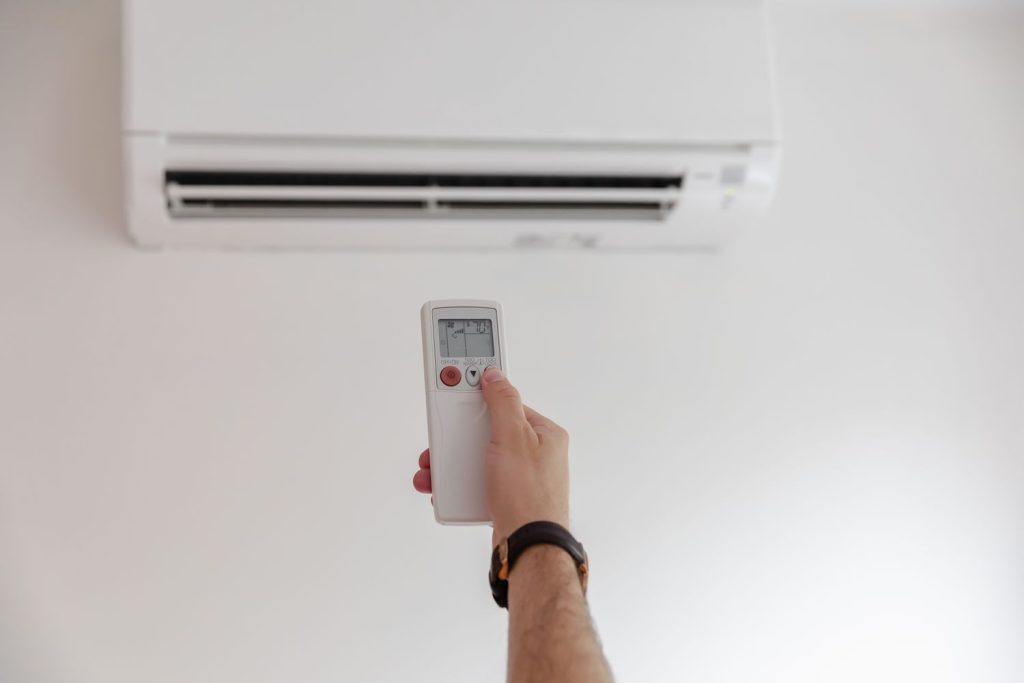
Did you know that nearly 40% of Australian households experience air conditioner breakdowns during peak summer months, according to Energy.gov.au? With temperatures soaring and your AC working overtime, a malfunction can leave you in discomfort or worse, facing a costly decision. Should you repair the unit or invest in a replacement? Making the right choice depends on several factors, including costs, system age, and energy efficiency. Let’s break down the decision-making process to help you find the most cost-effective solution.
Why Timely Repairs or Replacement Matters
Delaying action when your air conditioner shows signs of trouble can lead to bigger, more expensive issues. A small refrigerant leak or a faulty motor may seem manageable now but could result in complete system failure if ignored. Addressing these problems promptly helps restore comfort and reduce long-term costs.
Key Factors to Consider: Repair or Replace?
Choosing between repair and replacement involves balancing immediate costs with long-term benefits. Here’s what you need to consider:
1. Age of the Air Conditioner
Age is a crucial factor in determining whether to repair or replace your AC.
- Less than 10 Years Old: Repairs are usually worthwhile as newer systems are designed to last longer and be more efficient.
- 10 Years or Older: Older units often face declining efficiency and increased repair frequency, making replacement a smarter choice.
2. Frequency of Repairs
Frequent breakdowns are a sign that your air conditioner may be nearing the end of its lifespan.
- Occasional Repairs: If the unit has been reliable until recently, a one-time repair could suffice.
- Frequent Repairs: Multiple service calls in a year suggest it’s time to consider a replacement.
Rule of Thumb: If repair costs exceed 50% of the cost of a new unit, replacement is usually the better option.
3. Repair Costs vs. Replacement Costs
A cost comparison between repairing and replacing can offer clarity.
Example Scenario:
- Repair Cost: $1,200 for a compressor replacement.
- New Unit Cost: $3,500 with higher energy efficiency and a warranty.
In such cases, investing in a new unit may provide better value, especially when considering long-term savings on energy bills and fewer repair needs.
4. Energy Efficiency
Older air conditioners are often less efficient, even when functioning properly.
Benefits of Replacing with an Energy-Efficient Model:
- New units can reduce energy usage by 20-30%, leading to significant savings.
- Modern systems often come with improved SEER (Seasonal Energy Efficiency Ratio) ratings.
Upgrading to a high-efficiency unit not only saves money but also reduces your carbon footprint.
5. Environmental Impact
Many older systems still use R-22 refrigerant, which has been phased out due to its harmful environmental effects.
Why This Matters:
- Repairing systems that use R-22 is more expensive as the refrigerant becomes harder to source.
- Replacing with a new unit ensures compliance with environmental regulations and uses eco-friendly refrigerants like R-410A.
Benefits of Repairing Your Air Conditioner
In some cases, repairing your air conditioner can be the most practical solution.
1. Lower Immediate Costs
If your AC is relatively new and the issue is minor, repairing it will cost significantly less than replacing it.
2. Preserving Warranty Coverage
Many AC units come with warranties that cover parts and labor for a certain period. Repairing within the warranty period can save on costs.
3. Quick Fix for Minor Issues
Simple problems like a clogged drain line or thermostat malfunction can be resolved quickly and inexpensively.
Benefits of Replacing Your Air Conditioner
Though more expensive upfront, replacing your air conditioner comes with long-term advantages.
1. Improved Energy Efficiency
New models are designed to cool more effectively while using less power, which can lower your monthly electricity bills.
2. Reduced Repair Costs
New systems are less likely to need frequent repairs, and most come with extended warranties for peace of mind.
3. Enhanced Comfort and Features
Modern air conditioners offer features such as:
- Smart home compatibility.
- Better humidity control.
- Quieter operation.
4. Environmental Benefits
New systems help reduce your carbon footprint by using eco-friendly refrigerants and operating more efficiently.
The Hidden Costs of Delaying a Replacement
Continuing to repair an aging or inefficient air conditioner may seem economical in the short term but could lead to:
- Higher Energy Bills: Older systems consume more power to deliver the same level of cooling.
- Increased Risk of Total Failure: If a major component like the compressor fails, the unit may become irreparable.
- Reduced Home Comfort: Inconsistent cooling and frequent breakdowns can disrupt your comfort, especially during heatwaves.
Financing and Incentives for AC Replacement
Replacing an air conditioner is a significant investment, but there are ways to make it more affordable:
- Government Rebates: Check for local energy efficiency rebate programs.
- Manufacturer Discounts: Many HVAC manufacturers offer seasonal promotions or financing options.
- Energy Provider Incentives: Some energy companies provide rebates for upgrading to high-efficiency systems.
When Replacement is the Clear Choice
Here are clear indicators that replacement is the best course of action:
- Your AC is 15 years or older.
- Repair costs exceed 50% of the replacement cost.
- The unit uses outdated refrigerants like R-22.
- You’ve noticed a significant increase in your energy bills.
- Frequent breakdowns disrupt your comfort and routine.
Final Thoughts: Making the Right Decision
Deciding whether to repair or replace your air conditioner doesn’t have to be stressful. By considering factors like the system’s age, repair frequency, and efficiency, you can make a choice that balances comfort and cost-effectiveness. If in doubt, consult a licensed HVAC technician for a professional assessment. They can provide insights tailored to your specific needs, ensuring you stay cool and comfortable all summer long.