
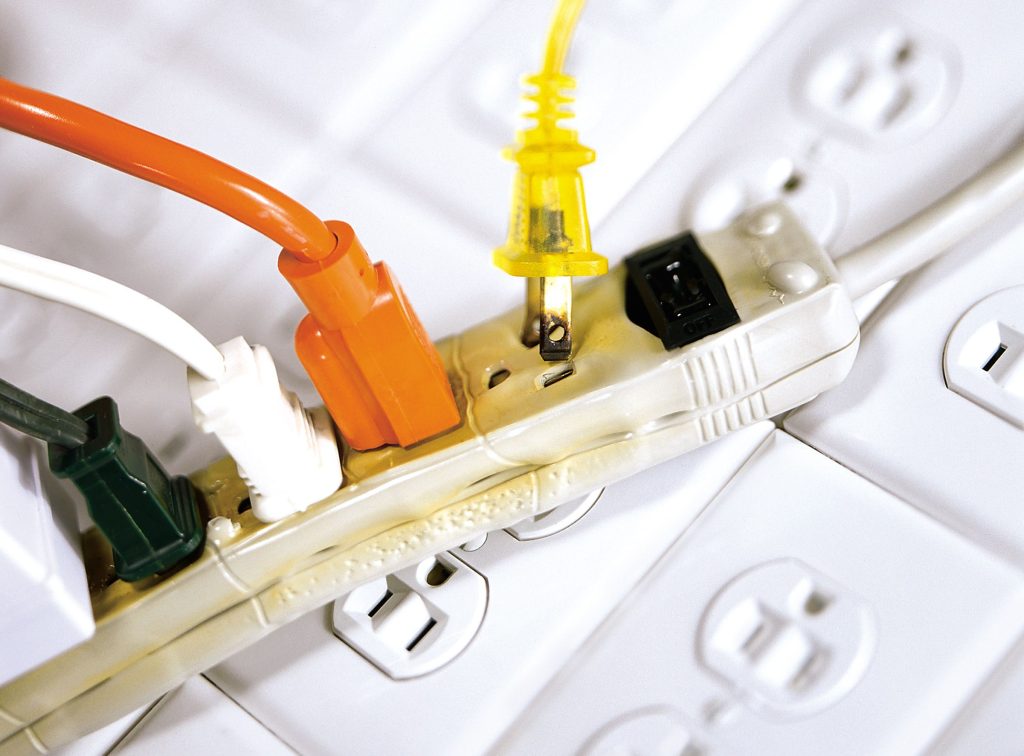
Why Surge Protection Matters
Power surges are responsible for thousands of dollars in damages to electrical appliances and devices every year. In Australia, voltage spikes and electrical storms are common causes of these damaging surges, often resulting in fried circuit boards, destroyed electronics, and even electrical fires.
According to data from Energy Safe Victoria, power surges can exceed 6,000 volts, which is enough to instantly destroy sensitive electronics like TVs, computers, and home automation systems. With more households relying on high-value electronics, the risk of financial loss from surges is greater than ever.
Many homeowners underestimate the importance of surge protection, assuming it’s only necessary for major storms. However, up to 80% of power surges originate from within the home itself, caused by appliances cycling on and off, faulty wiring, or grid fluctuations.
So, are surge protectors really necessary? The short answer: Yes! Let’s explore why surge protection is essential for safeguarding your home and whether whole-home surge protection is the right choice for you.
What Causes Power Surges?
A power surge is a sudden spike in electrical voltage that can overwhelm and damage electronic devices. While most surges are short-lived, they can cause long-term wear on sensitive components, leading to premature failure.
The most common causes of power surges include:
- Lightning Strikes – A direct or indirect lightning strike can send thousands of volts through your home’s electrical system.
- Grid Switching & Power Restorations – When power companies restore service after outages, voltage spikes can occur.
- Large Appliances Cycling On/Off – Devices like refrigerators, air conditioners, and washing machines create internal surges as they start and stop.
- Faulty Wiring & Overloaded Circuits – Damaged or aged wiring can contribute to unpredictable power fluctuations.
- Electromagnetic Interference (EMI) – Surges can be triggered by nearby industrial equipment or faulty electrical infrastructure.
While lightning storms are the most well-known cause, the reality is that most power surges occur from everyday household activities, often without the homeowner realising it.
The Risks of Unprotected Electronics
Without surge protection, your home’s electrical devices are vulnerable to damage from sudden voltage spikes. The risks include:
- Permanent damage to electronic devices – TVs, gaming consoles, and computers can be destroyed instantly by high-voltage surges.
- Reduced lifespan of appliances – Even minor surges cause wear and tear on refrigerators, washing machines, and HVAC systems.
- Data loss and corruption – Sudden power surges can wipe out data on computers and external storage drives.
- Electrical fire hazards – Severe surges can overheat wiring and outlets, increasing the risk of house fires.
For modern homes filled with smart home technology, security systems, and expensive electronics, surge protection is no longer optional—it’s a necessity.
How Do Surge Protectors Work?
Surge protectors absorb excess voltage before it reaches your devices, preventing electrical spikes from damaging sensitive components. They act as a buffer, allowing only the normal voltage (230V in Australia) to pass through.
There are two main types of surge protection:
1. Plug-in Surge Protectors
These power boards with built-in surge protection are commonly used for computers, televisions, and entertainment systems. They:
✔ Protect individual devices from moderate surges.
✔ Are affordable and easy to install.
✔ Offer additional power outlets for convenience.
However, plug-in protectors don’t provide full protection against large-scale surges, and their lifespan is limited.
2. Whole-Home Surge Protectors
A whole-home surge protector is installed at your electrical panel to protect every outlet and appliance in the home. They:
✔ Offer comprehensive protection for all circuits.
✔ Can handle larger surges than plug-in protectors.
✔ Reduce wear and tear on appliances and electronics.
✔ Provide protection against lightning-induced surges.
Whole-home surge protectors work best when paired with plug-in surge protectors for layered defense.
Do I Need a Whole-Home Surge Protector?
A whole-home surge protector is recommended for households with:
- Expensive electronics and smart home devices – Modern technology is highly sensitive to voltage fluctuations.
- Frequent power fluctuations – If you experience flickering lights, breaker trips, or outages, a surge protector can help stabilise voltage.
- Storm-prone locations – Areas with frequent thunderstorms or unreliable power grids benefit greatly from whole-home protection.
- Home offices or remote work setups – Protects computers, routers, and other critical devices from unexpected shutdowns.
Whole-home surge protection is a one-time investment that provides long-term safety and cost savings.
Key Benefits of Surge Protection
Investing in surge protection devices offers several major advantages:
- Prevents appliance damage – Protects all electronics from short-term and long-term voltage surges.
- Extends the lifespan of electrical devices – Reduces stress on internal components, improving longevity.
- Minimises financial loss – Prevents costly replacements of home entertainment systems, kitchen appliances, and computers.
- Reduces fire hazards – Stops overheating in electrical outlets and circuits.
- Provides peace of mind – Ensures your home is protected against unexpected electrical events.
Considering that replacing a damaged appliance can cost thousands of dollars, a surge protector is an affordable way to prevent unnecessary expenses.
How to Choose the Right Surge Protector
If you’re considering installing surge protection, keep these factors in mind:
For Plug-In Surge Protectors:
✔ Look for a joule rating of at least 1,000–2,000 for basic protection.
✔ Ensure it has overload protection and an indicator light.
✔ Choose a model with multiple outlets and USB ports for convenience.
For Whole-Home Surge Protectors:
✔ Ensure it is installed by a licensed electrician at your switchboard.
✔ Select a unit with a minimum of 40,000 amps per phase for high-capacity protection.
✔ Look for a warranty that covers appliance damage in case of failure.
Are Surge Protectors Worth the Investment?
Many homeowners ask, “Is surge protection really necessary, or is it just an added expense?” The reality is that power surges are unpredictable and can cause serious damage in seconds.
Considering the cost of replacing a $2,000 television, a $3,000 gaming PC, or a $5,000 air conditioning unit, the one-time investment in surge protection is a small price to pay for long-term security.
Final Thoughts: Protect Your Home Today
Surge protectors are not just an optional accessory—they are an essential safeguard against voltage spikes that could destroy your valuable electronics.
If you rely on modern appliances, smart home technology, or work-from-home setups, investing in surge protection can save you from major financial loss and prevent avoidable electrical hazards.
For the best protection, consider installing a whole-home surge protector, combined with plug-in protectors for sensitive electronics.
Don’t wait until a power surge damages your home—take action today and ensure your electrical system is fully protected. If you’re unsure about the best surge protection for your home, contact a licensed electrician for expert advice.