
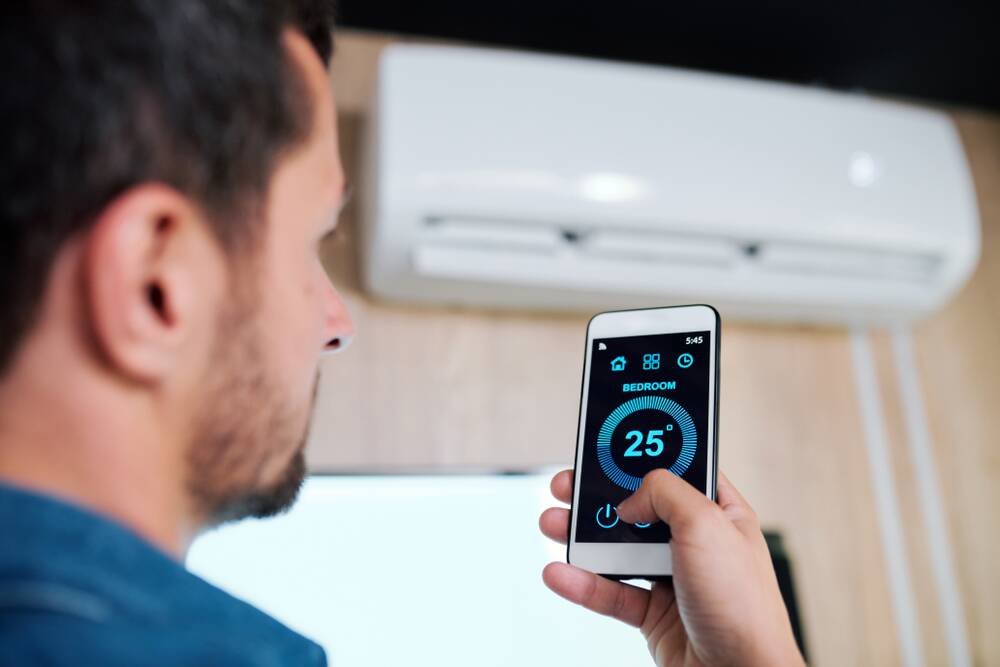
In the age of smart technology, staying comfortable in your home has never been easier or more efficient. Smart home cooling systems are revolutionizing how we manage indoor temperatures, providing personalized comfort while cutting down on energy consumption. In fact, studies show that households using smart thermostats can reduce cooling energy usage by up to 15% annually. If you’re looking to beat the Australian heat without breaking the bank, here’s how smart cooling technology can help.
The Rise of Smart Home Cooling Systems
Smart home cooling goes beyond traditional air conditioning. These systems integrate advanced technology to automate and optimize your home’s climate control. By leveraging data from sensors, weather forecasts, and user preferences, smart systems adjust cooling levels to match your lifestyle and the environment.
Key Features of Smart Cooling Systems:
- Remote control via smartphone apps.
- Learning algorithms that adapt to your habits.
- Integration with other smart devices for seamless home automation.
Benefits of Smart Home Cooling
Switching to smart cooling offers more than just convenience. Here’s how it can transform your home environment:
1. Enhanced Comfort
Smart cooling systems provide precise temperature control, ensuring every room stays at your ideal comfort level.
How It Works:
- Zoning capabilities allow different areas of the home to be cooled independently.
- Sensors detect occupancy and adjust cooling accordingly.
Example: Keep the living room cool during the day and the bedrooms comfortable at night without wasting energy on unoccupied spaces.
2. Energy Efficiency and Cost Savings
Cooling accounts for a significant portion of household energy bills, but smart systems help reduce this burden.
Energy-Saving Features:
- Automatically adjust temperatures based on real-time conditions and usage patterns.
- Smart thermostats like the Nest or Ecobee learn your schedule and optimize cooling when you’re home and conserve energy when you’re not.
Pro Tip: Use the energy usage reports provided by these devices to track and optimize your energy consumption.
3. Remote Accessibility
Forgot to turn off the AC before leaving the house? No problem. With smart home cooling, you can control your system from anywhere using your smartphone.
Benefits:
- Pre-cool your home before you arrive on a hot day.
- Turn off cooling remotely to save energy when plans change.
App Integration: Most smart cooling systems are compatible with popular smart home platforms like Google Home, Amazon Alexa, and Apple HomeKit.
4. Integration with Weather Forecasts
Smart cooling systems can sync with weather apps to adjust indoor temperatures based on the forecast.
How It Helps:
- Preemptively cool your home before a heatwave hits.
- Scale back cooling during cooler weather to save energy.
Pro Tip: Enable weather-based automation for effortless climate control that adapts to external conditions.
5. Improved Air Quality
Some smart systems come with air quality monitoring features, alerting you to potential issues like high humidity or allergens.
Benefits of Air Quality Integration:
- Automatically adjust humidity levels to prevent mould and maintain comfort.
- Notify you when it’s time to replace filters or clean ducts.
Popular Smart Cooling Devices and Systems
The market offers a wide range of smart cooling solutions to fit different needs and budgets.
1. Smart Thermostats
These devices are the heart of a smart cooling system, managing your HVAC setup with precision.
Top Picks:
- Nest Learning Thermostat: Learns your schedule and preferences.
- Ecobee SmartThermostat: Features room sensors for zoning and voice control.
2. Smart AC Controllers
Turn your traditional air conditioner into a smart one with these controllers.
Examples:
- Sensibo Sky: Provides remote control and scheduling for any AC with a remote.
- Cielo Breez: Tracks energy usage and offers real-time temperature control.
3. Zoned Cooling Systems
Ideal for larger homes, these systems allow you to control cooling in individual rooms.
Brands to Consider:
- Daikin Zoning Systems
- Fujitsu Multi-Split Systems
How to Set Up a Smart Home Cooling System
Setting up smart cooling in your home is easier than you might think. Here’s a step-by-step guide:
1. Assess Your Current System
Determine whether your existing AC system is compatible with smart technology. If not, consider upgrading to a smart AC or adding a smart controller.
2. Choose the Right Smart Devices
Pick devices that align with your cooling needs and budget. For comprehensive control, a smart thermostat paired with a smart AC controller is a great combo.
3. Install and Connect
Follow the manufacturer’s instructions for installation. Most devices offer user-friendly apps for setup and operation.
4. Customize Settings
Adjust temperature preferences, create schedules, and set up automation rules to optimize your system.
Maximizing the Efficiency of Smart Home Cooling
To get the most out of your smart cooling system, follow these tips:
- Utilize Geofencing: Automatically adjust settings based on your location.
- Schedule Regular Maintenance: Even the smartest system needs upkeep; clean filters and inspect components regularly.
- Leverage Data Insights: Use energy reports to identify patterns and further reduce consumption.
The Future of Smart Home Cooling
As technology evolves, smart cooling systems are becoming even more advanced. Innovations on the horizon include:
- AI-Powered Climate Control: Systems that predict your comfort needs and adjust automatically.
- Enhanced Air Quality Sensors: Real-time monitoring of indoor pollutants for healthier living.
- Energy Sharing Networks: Future systems could share excess cooling capacity with other homes in your network, improving grid efficiency.
Stay Cool and Connected
Smart home cooling technology is revolutionizing how we stay comfortable during Australia’s hot summers. By embracing these innovations, you can enjoy personalized comfort, lower energy bills, and improved air quality. Whether you’re upgrading your existing AC or starting fresh with a smart system, now is the perfect time to take control of your home’s climate.