
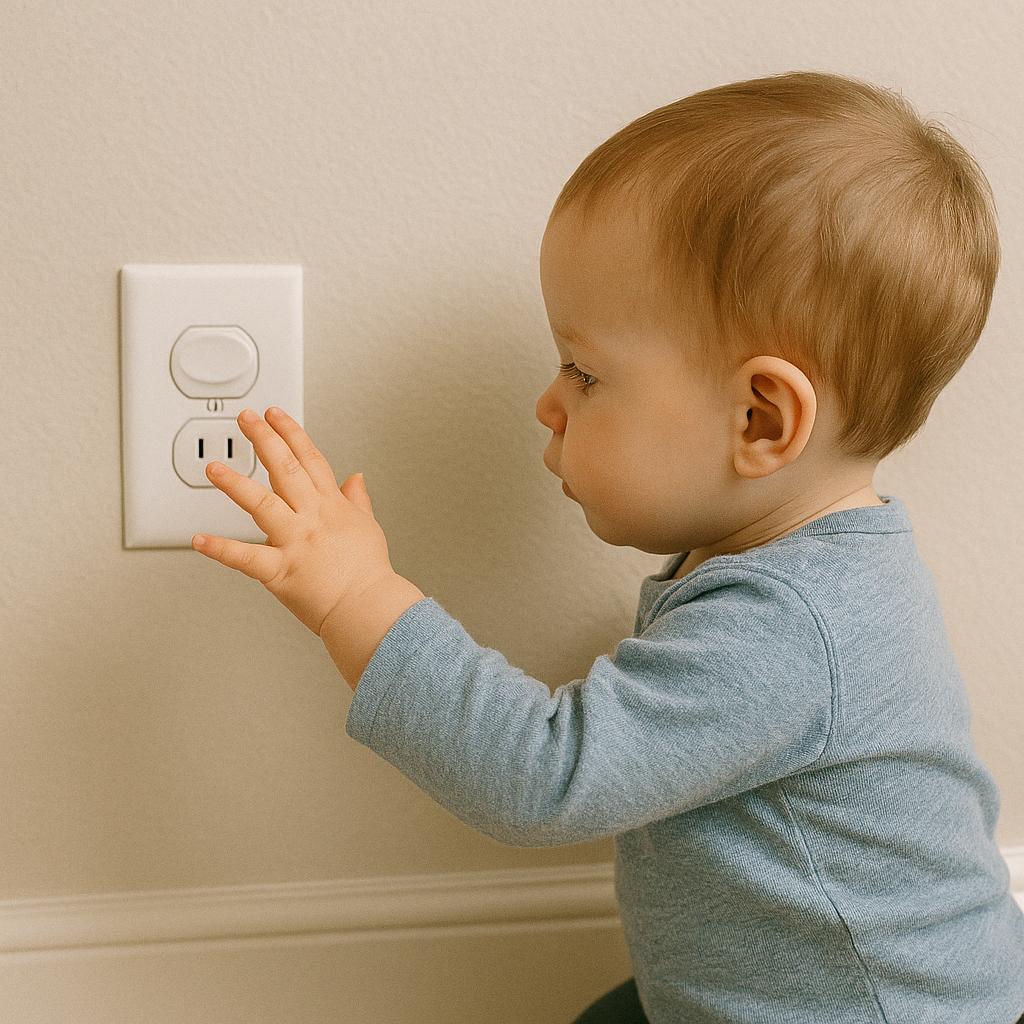
Children are naturally curious. They explore the world with their hands, often putting themselves in dangerous situations without even realising it. One of the most serious household dangers? Electricity.
Each year in Australia, dozens of children suffer electric shocks at home, many from preventable causes like exposed cords, open outlets, or unsupervised access to appliances. While electricity is essential for modern living, it can pose significant risks to young kids if left unmanaged.
The good news? Creating a child-safe electrical environment is entirely possible with a few simple upgrades, smart planning, and regular maintenance. Here’s how to make your home safer for children with practical, effective electrical safety strategies.
Install Childproof Safety Outlets and Outlet Covers
Standard wall sockets are just the right height—and size—for curious little fingers. One of the easiest and most effective ways to prevent accidental electric shock is by using childproof electrical outlet covers.
Recommended Solutions:
- Outlet plug covers: Basic plastic caps that plug into unused outlets
- Tamper-resistant outlets (TROs): Built-in shutters that only open when equal pressure is applied to both holes
- Sliding plate covers: Automatically snap closed when the outlet is not in use
Tamper-resistant outlets are now a requirement in many new homes across Australia and offer long-term safety with no removable parts for children to play with.
Keep Cords Tidy, Hidden, and Secure
Dangling cords aren’t just a tripping hazard—they’re a major electrical risk for children. Kids often pull on power cords, chew them, or play with them like toys.
How to Childproof Cords:
- Use cord shorteners or organisers to reduce slack
- Tuck cords behind furniture or within cable concealers
- Install cord clips to keep wires elevated and away from floor level
- Avoid using extension leads unless necessary, and never leave them loose or exposed
Inspect cords regularly for frays, exposed wires or signs of wear, and replace any damaged leads immediately.
Cover and Secure Power Boards
Power boards are one of the most common sources of electrical injury in households. Children can unplug devices, touch exposed prongs, or try to insert objects into sockets.
Tips for Power Board Safety:
- Use power board covers or safety boxes to limit access
- Choose boards with built-in overload protection
- Never place boards on the floor where children can access them
- Avoid “daisy-chaining” multiple boards, which increases the risk of fire
Whenever possible, position power boards behind furniture or in high locations where children cannot reach them.
Unplug Unused Appliances
Leaving appliances plugged in when not in use creates unnecessary risk. Curious children may switch them on, pull on the cords, or spill water nearby.
Appliances to Unplug:
- Hair dryers, straighteners, and electric razors in bathrooms
- Toasters, kettles, and blenders in the kitchen
- Heaters, fans, and chargers in bedrooms or living areas
Unplugging appliances not only improves safety—it also helps reduce phantom energy use and save on your power bill.
Teach Children About Electrical Safety Early
The earlier children learn to respect electricity, the better. Tailor your approach to their age, using visuals and hands-on examples when possible.
Child-Friendly Safety Tips to Teach:
- Never touch power points or electrical cords
- Keep water away from anything plugged in
- Ask an adult before using any appliances
- Don’t insert fingers or objects into outlets or slots
- Report broken switches or flickering lights to an adult
Many energy providers and safety authorities offer free educational resources for kids, including games, videos and printable posters.
Install Residual Current Devices (RCDs)
Every Australian home should have RCD protection, also known as safety switches. These devices shut off power instantly when a fault or current imbalance is detected, potentially preventing electrocution.
Best Practice for RCD Safety:
- Ensure every circuit (not just power points) has RCD protection
- Test RCDs every three months by pressing the “test” button
- Hire a licensed electrician to check switchboard compliance if you’re unsure
If your switchboard doesn’t have RCDs, upgrading is essential—not just for children, but for the whole household.
Avoid Using Appliances Near Children
Even with supervision, it’s best to avoid using plug-in appliances in rooms where small children play or nap.
Safer Alternatives:
- Use battery-operated lamps and devices in nurseries
- Keep high-powered appliances like vacuum cleaners out of reach when not in use
- Secure kitchen and laundry appliances behind childproof locks
If a child is within reach of an appliance, the risk of an accident significantly increases.
Upgrade Old or Faulty Outlets and Switches
Over time, outlets can become loose, cracked or discoloured—posing a serious hazard. Old, damaged switches are more likely to cause shocks, especially in homes over 20 years old.
What to Watch For:
- Flickering when switching lights on/off
- Warm or buzzing outlets
- Sparks or burnt odours
- Loose-fitting plugs
Have a licensed electrician inspect and replace any outdated or unsafe fittings immediately.
Consider Smart Home Technology for Extra Control
Smart outlets, timers, and switches can offer additional layers of safety and convenience when raising children.
Smart Features That Help:
- Remotely turn off appliances using your smartphone
- Schedule devices to turn on/off only at set times
- Get alerts if appliances are drawing unexpected power
You can even install smart sensors that notify you when a cupboard with electronics is opened—perfect for curious toddlers.
Create a Safe Electrical Environment for Growing Families
Childproofing your home goes beyond cupboard locks and corner guards. With electricity running through every room, it’s essential to address electrical safety for children at home with care and diligence.
From outlet covers and tidy cords to safety switches and education, every small step you take can significantly reduce the risk of injury. Don’t wait for a close call to act—take these proactive measures now to keep your family safe and your home secure.