
What Is the Best Ducted Air Conditioning Brand in Australia
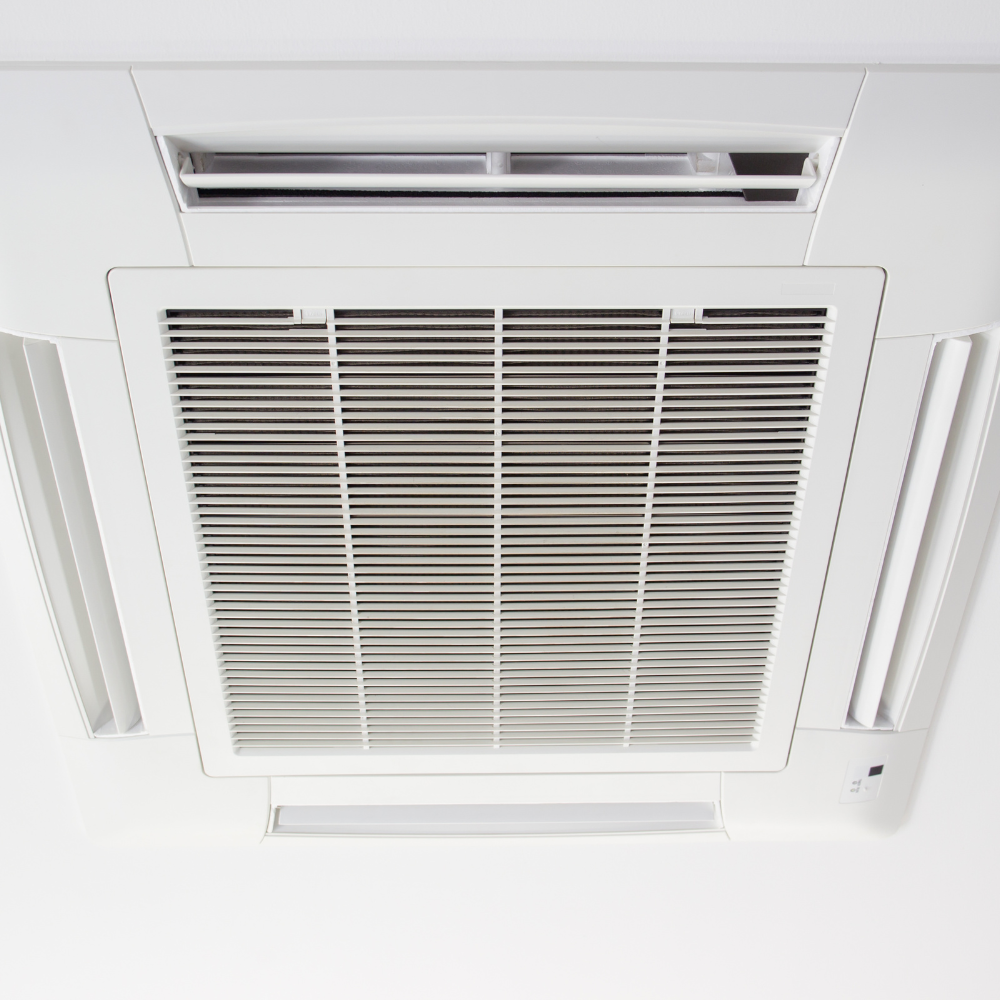
The best ducted air conditioning brand in Australia for most homes is Daikin or Mitsubishi Electric, both of which lead on efficiency, reliability, and after-sales support. Fujitsu and Panasonic sit just behind at slightly lower price points. Here is how the main brands compare and which one suits your home.The best ducted air conditioning brand in Australia for most homes is either Daikin or Mitsubishi Electric. Both lead the market on efficiency, reliability, warranty coverage, and installer support, and both have been installed in Australian conditions for long enough that their real-world performance is well documented. Fujitsu and Panasonic sit just behind at slightly more accessible price points with comparable quality. Below those tiers, brands like Actron Air and Samsung offer solid mid-range options, and budget brands like Carrier, Kelvinator, and Haier fill the value end of the market.
“Best” depends on what you prioritise. If you want the longest lifespan and lowest running costs over 15 years, the premium tier (Daikin, Mitsubishi Electric) is worth the price. If you want a reliable system at a lower upfront cost and are comfortable with a slightly shorter lifespan, the mid-tier (Fujitsu, Panasonic, Actron) is usually the right call. Budget brands can work for short-term holdings or rental properties but rarely make financial sense in a long-term home.
This guide compares the main brands sold in Australia, what you actually pay for the premium, and how to match a brand to your specific situation.
Why brand matters more than most people think
Ducted air conditioning is a 12 to 18 year investment. The hardware runs thousands of hours over its lifespan, and small differences in efficiency, reliability, and service coverage compound into real money.
A premium brand that costs $2,500 more upfront but uses 20 percent less electricity over its lifetime typically saves $3,500 to $5,000 in running costs, and often lasts three to five years longer before needing replacement. That is before factoring in the cost and hassle of unexpected repairs, warranty disputes, or parts availability.
The Australian Energy Rating website publishes efficiency data (EER and COP ratings) for every approved model sold in Australia, which is the most reliable source for comparing energy performance across brands and models.
The top-tier brands
Daikin
Daikin is widely regarded as the top ducted brand in Australia and holds the largest market share. Japanese-designed and built, with a strong local presence and extensive after-sales network across the country.
Strengths: Industry-leading efficiency ratings, excellent build quality, long-term reliability, strong warranty (5 to 7 years parts and labour on most residential models), best-in-class installer training programs, excellent smart controller options.
Weaknesses: 15 to 25 percent more expensive than mid-tier brands for equivalent capacity, premium positioning means less discounting.
Best for: Homes where the system will run for 15+ years, owners who prioritise long-term running costs, premium new builds.
Typical installed price (family home, 14 to 16 kW, 4 to 6 zones): $14,000 to $18,000.
Mitsubishi Electric
Mitsubishi Electric runs neck and neck with Daikin at the top of the market. Slightly different design philosophy with strong emphasis on quiet operation and advanced filtration.
Strengths: Excellent efficiency and reliability, very quiet indoor units, strong smart control platform (Kumo Cloud), 5 year warranty as standard.
Weaknesses: Similar premium pricing to Daikin, parts availability can occasionally be slower than Daikin in regional areas.
Best for: Homes where noise matters (e.g. sleeping zones near fan coils), families prioritising air quality, homes integrated with smart home systems.
Typical installed price: $14,000 to $18,000.
The mid-tier brands
Fujitsu
Fujitsu sits just below the premium pair in quality, at a meaningfully lower price. Also Japanese-designed, with a strong Australian distribution network.
Strengths: Good efficiency, reliable build, solid warranty coverage (5 years parts on most residential models), more competitively priced than Daikin or Mitsubishi Electric, wide model range.
Weaknesses: Slightly less efficient than top-tier brands, smart control platform is adequate but less polished than Daikin or Mitsubishi Electric.
Best for: Homeowners who want Japanese build quality at a lower price point, typical family homes where the premium tier is hard to justify on pure numbers.
Typical installed price: $12,000 to $15,500.
Panasonic
Panasonic offers strong value in the mid-tier with good efficiency and solid warranty coverage.
Strengths: Competitive pricing, good efficiency ratings, reliable inverter technology, strong air filtration options on some models.
Weaknesses: Fewer installers specialise in Panasonic compared to Daikin or Fujitsu, so finding experienced installers can take more effort.
Best for: Value-conscious buyers who still want a reputable global brand.
Typical installed price: $11,500 to $14,500.
Actron Air
Actron Air is the main Australian-designed option, manufactured locally with systems engineered specifically for Australian climate conditions.
Strengths: Australian-designed and built for Australian climate, excellent zoning technology (their ESP Ultima platform is genuinely good), strong local support, reasonable pricing.
Weaknesses: Slightly less efficient than top Japanese brands in laboratory conditions, though real-world performance is often comparable.
Best for: Homeowners who prioritise buying Australian, or those wanting advanced zoning capability without premium pricing.
Typical installed price: $12,000 to $15,500.
The budget brands
Samsung
Samsung has moved up from budget tier into serious mid-range competition in recent years, with some models comparable to Fujitsu and Panasonic.
Strengths: Competitive pricing, improving quality year on year, strong smart home integration.
Weaknesses: Variable track record on older models, warranty service can be slower than established brands.
Best for: Buyers comfortable with a Korean brand in a traditionally Japanese-dominated category.
Typical installed price: $10,500 to $13,500.
Carrier, Kelvinator, Haier
These represent the budget end of the market, typically $2,000 to $4,000 cheaper than equivalent Daikin or Mitsubishi systems.
Strengths: Lowest upfront cost, basic functionality is adequate.
Weaknesses: Lower efficiency means higher running costs, shorter realistic lifespan (8 to 12 years versus 15+ for premium), more basic controls, more limited parts availability for repairs.
Best for: Rental properties, short-term holdings, tight budgets where upfront cost outweighs lifetime cost.
Typical installed price: $9,000 to $12,500.
How to choose the right brand for your home
Brand selection is one part of the decision. The right brand for your situation depends on a few questions most homeowners do not ask upfront.
How long will you stay in the home?
If you are staying 10+ years, premium brands pay for themselves through lower running costs and longer lifespan. If you are staying three to five years, mid-tier brands often make more sense because you will not fully realise the premium’s long-term advantages.
How much do you run the system?
Heavy users (6+ hours per day, year-round) benefit most from efficient premium systems. Light users (a few hours per day in peak seasons) see less payback from paying the premium.
What is your priority: efficiency, quiet operation, smart controls, or price?
Daikin leads on efficiency. Mitsubishi Electric leads on quiet operation and air quality. Actron leads on zoning technology. Panasonic and Fujitsu lead on value. Choose the brand whose strength matches your priority.
Do you have solar?
Homes with solar (especially with a solar battery) see less impact from efficiency differences because much of the running cost is offset anyway. This sometimes makes mid-tier brands more attractive than they would be for grid-only homes.
What actually matters beyond brand
The brand on the box is often less important than the install quality. Two identical Daikin systems installed by different teams can perform very differently based on ductwork design, zoning layout, airflow balance, and electrical work.
What to check regardless of brand:
Installer accreditation (look for ARC-licensed and manufacturer-trained installers)
Quality of the ductwork (R1.0 minimum, R1.5 preferred)
Proper heat load calculation done at site inspection, not phone estimate
Correctly sized return air pathway
Zoning design that matches how you actually use the home
Switchboard and circuit capacity confirmed before install
A premium brand installed poorly will underperform a mid-tier brand installed well, every time. The Australian Refrigeration Council maintains the licence register for refrigerant handling, which is a minimum bar for any installer you consider.
More on the install quality side is covered in our guide on how does ducted air conditioning work.
Warranty coverage across brands
Warranty length varies by brand and model, but a reasonable baseline in 2026 is 5 years parts and labour on the outdoor compressor and indoor fan coil. The premium brands (Daikin and Mitsubishi Electric) offer 5 to 7 year warranty as standard on most residential models. Mid-tier brands typically match the 5 year standard. Budget brands sometimes offer only 2 to 3 years, which is a real cost to consider over the 12+ year lifespan of the system.
A few warranty details to check:
Whether labour is covered or only parts
Whether the compressor has a separate (longer) warranty than the rest of the system
Whether the installer offers a separate workmanship warranty on top of manufacturer coverage
What happens if the installer goes out of business (manufacturer warranty usually still applies but coordination can be messier)
Related questions
What is the most reliable ducted air conditioning brand?
Daikin and Mitsubishi Electric lead the Australian market on long-term reliability, with real-world data suggesting most well-maintained units run 15+ years without major component failure. Fujitsu and Panasonic sit close behind. Budget brands typically show meaningful reliability differences after year 8 to 10.
Is Daikin worth the extra money?
For long-term owners with significant annual running hours, yes. The combination of higher efficiency, longer lifespan, and stronger warranty typically recoups the price premium within 8 to 10 years. For short-term holdings or light users, the premium is harder to justify.
Is Fujitsu as good as Daikin?
Close but not quite. Fujitsu is a high-quality mid-tier brand with reliability and efficiency comparable to the premium tier at a lower price. The gap to Daikin is real but small, and for most family homes Fujitsu represents excellent value.
What is the best Australian-made ducted air conditioning brand?
Actron Air is the main Australian-designed and manufactured option, with systems engineered specifically for local conditions. Their zoning technology is genuinely strong, and local support is a real advantage for warranty and parts.
Which ducted brand has the best smart controls?
Daikin and Mitsubishi Electric both have polished smartphone apps and integrate cleanly with Google Home, Apple HomeKit, and Sensibo. Actron Air has excellent native zoning control through their wall controllers but less polished third-party integration. Panasonic and Fujitsu apps are functional but less refined.
Which brand is best for quiet operation?
Mitsubishi Electric is widely considered the quietest brand at the indoor unit level, particularly in bedroom zones. Daikin is close behind. Quiet operation is generally a correlate of build quality, so premium brands lead across the board.
The summary
For most Australian family homes in 2026, the best ducted air conditioning brand is either Daikin or Mitsubishi Electric if budget allows, or Fujitsu or Panasonic at a more accessible price point. Actron Air is a strong option for anyone prioritising Australian design or advanced zoning. Budget brands can work for short-term situations but rarely make financial sense over the lifespan of the system.
The more important question than brand is install quality. A properly designed, properly sized, properly zoned system from a mid-tier brand outperforms a premium brand installed by the cheapest quote every time.
At Essence Electrical we install across the main Japanese and Australian brands and recommend the right option based on your home, usage, and budget rather than defaulting to one brand. See our ducted air conditioning page for more on what we install, or get in touch for a quote matched to your home.
How Do Solar Batteries Work?
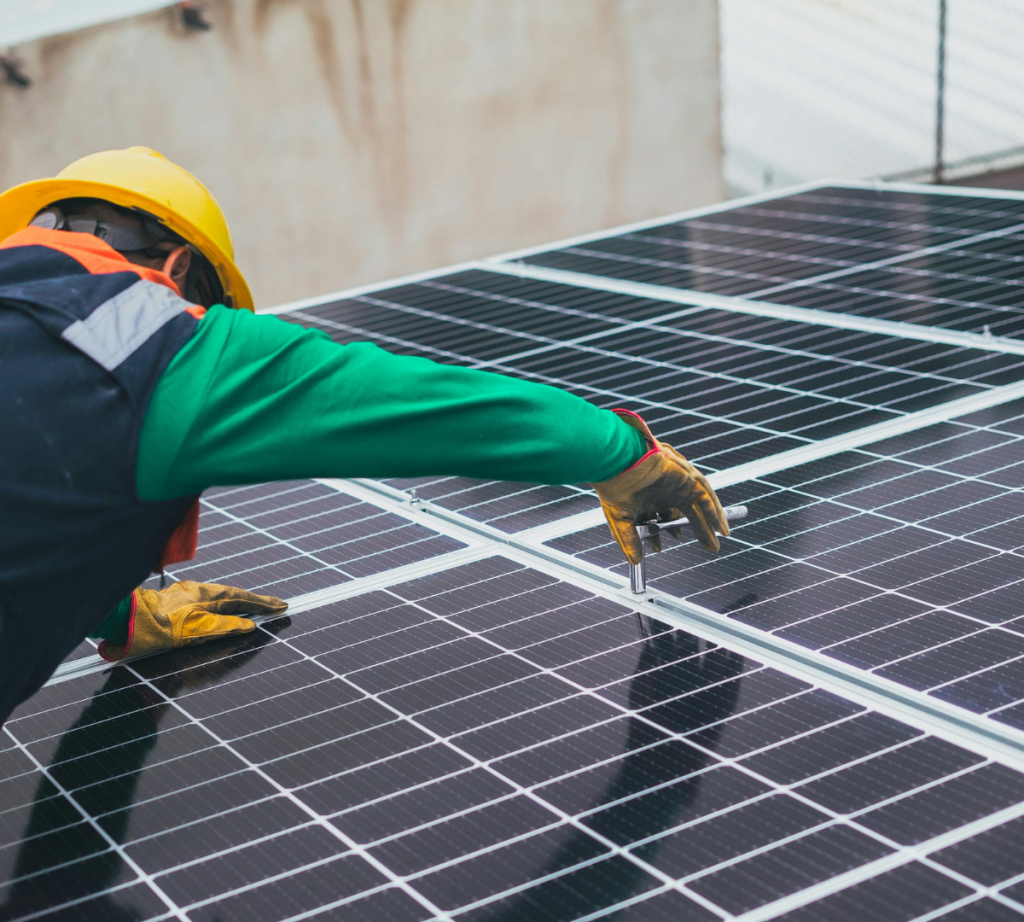
A solar battery stores surplus electricity from your panels during the day so you can use it at night or through a blackout. The reality involves DC to AC conversion, a battery management system, and a bit of clever software. Here is how it all works in plain English, including what actually happens during a grid outage.
How to Zone Ducted Air Conditioning
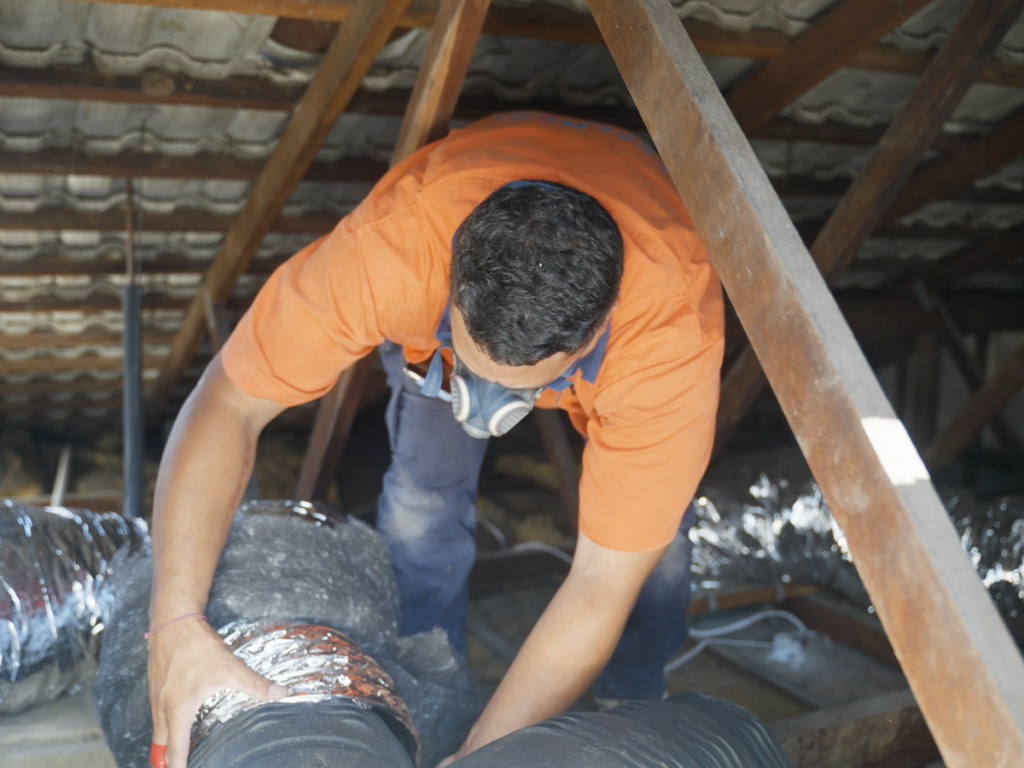
Zoning is the single biggest lever for cutting ducted air conditioning running costs, often reducing the bill by 40 to 60 percent compared to running the whole system at once. Most homes should have four to six zones, grouped by how you actually live. Here is how to design and use zoning properly.
How Long Do Solar Batteries Last?
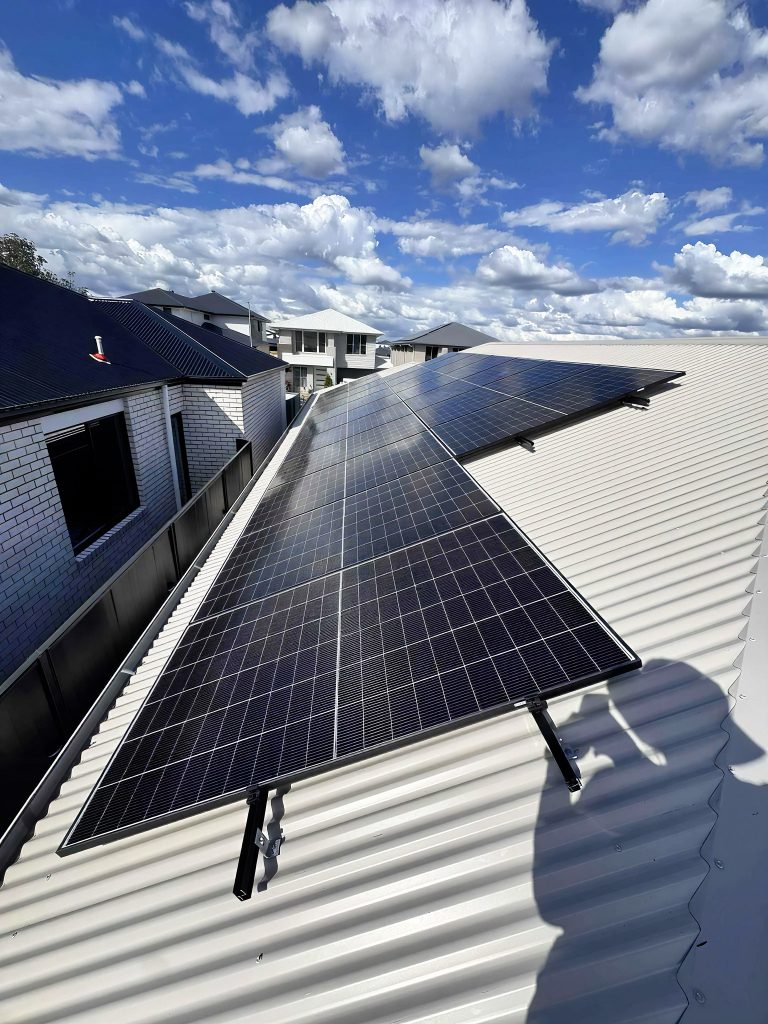
Quality home solar batteries sold in Australia last 10 to 15 years in real-world use, with most major brands warranted for 10 years. Heat, depth of discharge, and install quality have the biggest impact on how long your battery actually lasts. Here is what to realistically expect and how to squeeze more years out of it.
Is Ducted Air Conditioning Expensive to Run?
Ducted air conditioning in Australia typically costs $1 to $1.50 per hour to run, or $120 to $180 per month in peak summer for a family home using it four hours a day. Running costs are lower than most people expect if the system is properly zoned and sized. Here is what you will actually pay and how to cut the bill.
What Size Solar Battery Do I Need?
Most Australian homes need a 10 to 13 kWh solar battery to cover typical overnight electricity use. Smaller households can get away with 6 to 8 kWh, while homes with pools, ducted AC, or electric vehicles often need 15 to 20 kWh. Here is how to work out the right size for your home based on your actual usage.
How Much Does Ducted Air Conditioning Cost?
Ducted air conditioning in Australia typically costs between $9,000 and $20,000 fully installed, with most family homes paying $12,000 to $16,000 for a quality reverse cycle system. Price depends on home size, zones, brand, and how complex the install is. Here is what drives the quote up or down, and what to expect in 2026.
Are Solar Batteries Worth It?
For most Australian homes with existing solar, a well sized battery in 2026 pays itself back in six to ten years, a big shift from the 12 to 15 year payback of just a few years ago. The federal rebate, collapsed feed-in tariffs, and rising grid prices have changed the maths. Here is when a battery is genuinely worth it, and when it is not.
How Much Do Solar Batteries Cost in Australia?
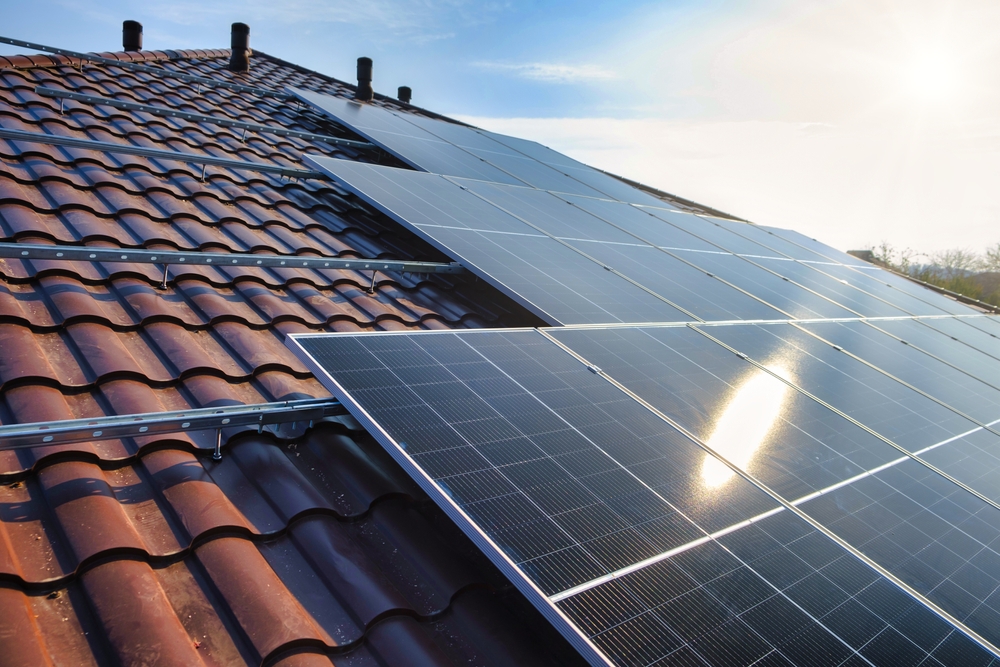
Solar batteries in Australia cost between $8,000 and $20,000 installed in 2026, with most Queensland homes paying $10,000 to $15,000 for a 10 to 13 kWh battery. The federal Cheaper Home Batteries rebate now takes around $370 per kWh off the upfront cost. Here is what drives the price up or down, and what to expect on your quote.
Power Your Home For Less: Unpack The Cheaper Home Batteries Program
If you have solar, you know the frustration. Your system generates loads of clean energy during the day, only for most of it to be sold back to the grid for next to nothing. As soon as the sun goes down, you buy power back at full price. It feels wasteful and, honestly, a bit […]
7 Powerful Benefits of Installing Outdoor Lighting That Most Homeowners Overlook
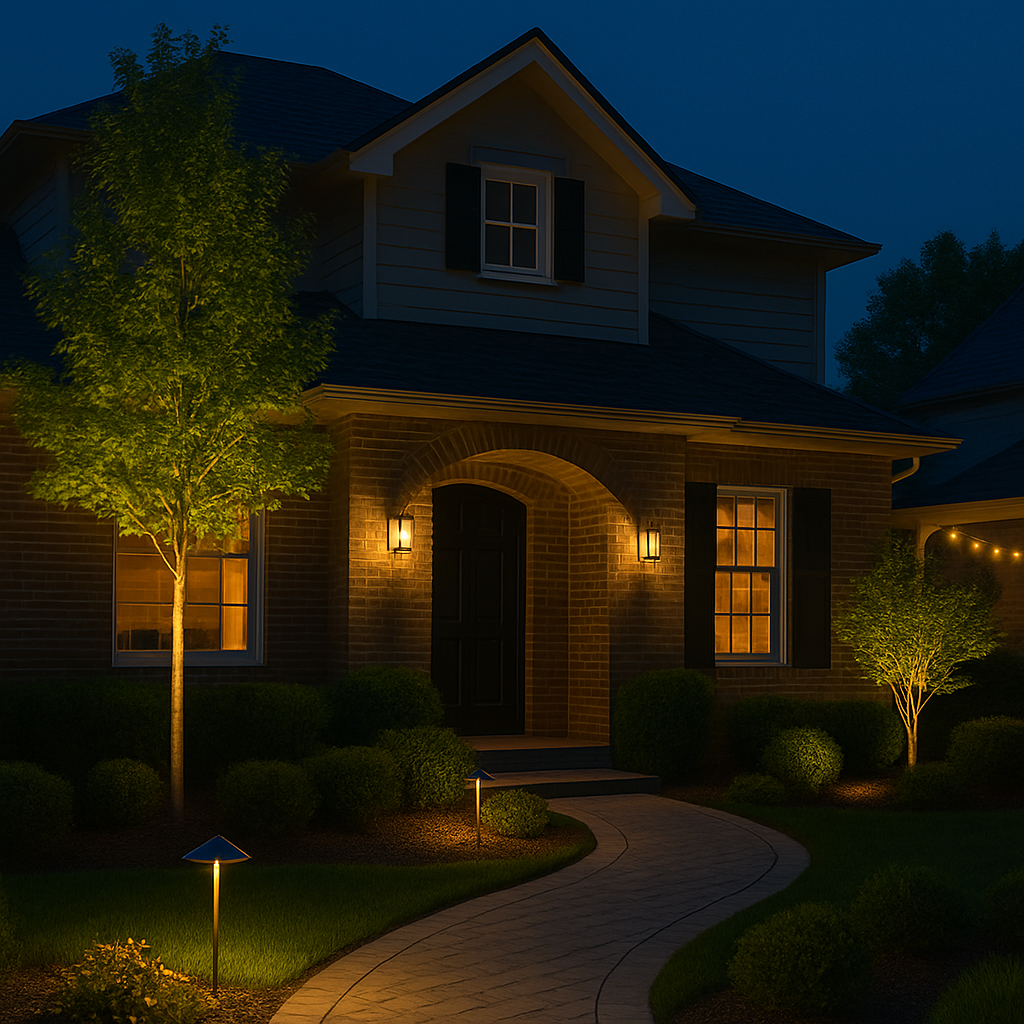
In the hustle of daily life, we often overlook what’s right outside our door—literally. Outdoor lighting is one of those upgrades that delivers far more than meets the eye. It blends functionality with aesthetics and safety, transforming your home’s exterior into a secure and inviting haven. In fact, lighting alone can reduce nighttime burglaries by […]
7 Reasons to Hire a Local Electrician for Your Home

When something electrical goes wrong at home, whether it’s a tripped safety switch, a power outage, or flickering lights, you need help fast. According to Energy Safe Victoria, electrical faults cause hundreds of house fires in Australia each year, often due to poor workmanship or delayed repairs. That’s where a qualified local electrician becomes your […]